How to Clean Chairs
The Vault!
Top 3 Ways of Cleaning Your Upholstered Dining Chairs like a Professional
Here are basic ways of cleaning upholstered dining chairs are: use vinegar to remove water stains, clean using a steam cleaner, and use soft cloth or brush with soft bristles for velvet upholstery.
We know that your upholstered pieces of furniture such as your dining chairs are one of the most treasured possessions around your house. You’ve spent time choosing them and had spent a substantial part of your resources for them because you thought they would be an addition to your home’s assets, and you’re right. The following methods are the common and easier ways of cleaning these favorite upholstered dining chairs. This is how the professionals do it, and you might not have known it before that you can do them just as well as they could.
Use vinegar to remove water stains
You would think water is a harmless substance, not until you’ve seen for yourself what damage it can do to your precious chairs. Don’t panic. This is one of the easier problems to fix. Removing the stains early on would make your job easier, so as soon as you notice these stains, take action right away. You can use vinegar for this purpose. Just spray on the stained area, let the solution stay for a few minutes, then wipe it with paper towels.
Clean using a steam cleaner
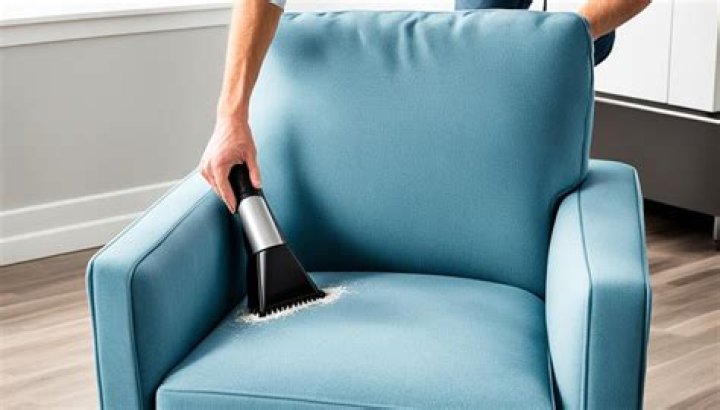
First, vacuum the chair you want to clean. Make sure to check every area, specially the part where the backrest and the seat meet; morsels of food and other materials could find themselves hidden in this nook, which could attract the attention of ants and other pests. Then, apply the steaming water and cleaning solution (do one area of the chair at a time: the back rest, the seat, the arms, and the back and underside portions of the chair). Then clean using a steam cleaner. Make sure an area is dry first before proceeding to the next area.
Use cloth or brush with soft bristles on velvet upholstery
Velvet is a popular choice for those who want a touch of luxury in their dining room, but with this comes the burden of maintenance—of making sure the velvet does not lose its softness and smooth texture. You can use a soft cloth to remove dust and dirt for velvet chairs. A hair brush with soft bristles can serve this purpose as well. There are also attachments specially made for velvet upholstery available in vacuum stores.
Again, it is important that you find out first the materials used to make your upholstered dining chairs to make sure you don’t do more damage than good to them. Manufacturers would usually attach a note or a tag on the furniture about what materials your chairs are made of and would even include some basic tips on how to clean them. Doing things yourself is not a bad idea, but when you’re in doubt, seek professional help immediately.
Related To:
plant in ceramic vase on wooden table with modern sofa
plant in ceramic vase on wooden table with modern sofa at home
Photo by: Khongkitw
We all love being couch potatoes but it’s no fun to lounge on a dirty sofa. Over time, crumbs, spilled soda, pet hair, dirt, and oil from your hands and feet build up on your couch and make it look dingy. No worries. Here’s how to clean a couch so that it’s ready for you to binge watch an entire season of your favorite TV show.
1. Vacuum. Use a hand vacuum or the brush attachment on your vacuum to clean debris and dirt from the sofa surface. Be sure to clean the crevices where pet hair, food crumbs, and dirt accumulate. If the cushions are not attached, remove them and vacuum both sides. If there’s a lot of pet hair, use a lint roller to remove hair the vacuum can’t get.
2. Clean the wood or metal areas. Wipe down the sofa feet and other non-fabric parts of the sofa with a solution of warm water and liquid dish soap.
3. Determine the type of fabric you’re dealing with. Find the tag on the couch and read the instructions for how to clean upholstery. Here are the codes found on labels:
- WS: Use a mild detergent with a steam vacuum or a dry-cleaning detergent
- S: Use a dry cleaner detergent only.
- X: Use a vacuum only. No water.
- W: You can use water to clean it.
4. Remove stains. Knowing how to clean a couch means knowing how to remove stains. You can use a commercial cleaner or you can make your own cleaners from natural ingredients you have in the kitchen. Homemade cleaners are cheaper and kinder to the Earth. Here’s how to clean a sofa, by fabric type:
- For fabric upholstery, mix 1/4 cup vinegar, 3/4 warm water and 1 tablespoon for dish soap or Castile soap. Put in a spray bottle. Mist the soiled area. Scrub with a soft cloth until the stain lifts. Use a second cloth moistened with clean water to remove the soap. Dry with a towel.
- For leather upholstery, mix 1/2 cup olive oil with 1/4 cup vinegar and put into a spray bottle. Spray the cleaner on the surface of the couch and buff with a soft cloth.
- For synthetic upholstery, mix 1/2 cup of vinegar, 1 cup of warm water,and 1/2 tablespoon of liquid dish soap or castile soap in a spray bottle. Mist the soiled area and scrub with a soft cloth till the stain is gone.
5. Let the couch dry. Use a towel to soak up any excess water remaining on the sofa surface. Let the sofa air dry. If it’s humid, you may want to set up a box fan pointed at the sofa for speed drying. Water can cause cushions and fabric to mildew.
No matter what type of furniture you’re talking about, eventually there will be a time when you’re going to want clean upholstery. After investing a lot of money into those pieces, taking care of them will make it last so much longer. So no matter if you’re cleaning a chair, a sofa or even a bench, this is how to keep it clean for years to come.
How to Clean Upholstery
Prepare
In order to properly clean upholstery and not ruin it you to need to know exactly what fabric you’re working with. To find out the type of fabric is check the tag at the bottom of your couch. On this tag, there should be a label with a WS, W, S, O, or X. If it’s a WS or W then your furniture can be washed with a water based detergent. An X means that it can only be vacuumed, S means that it needs to be cleaned with a non-water based detergent and O means that it needs to be washed using cold water because it’s organic.
Cleaning Supplies
Now that you know what to use to properly clean upholstery you will need to gather the appropriate cleaning supplies. Of course, some of these supplies will differ from each other depending on the certain fabric your couch is but they should consist of some sort of detergent, a rag, a brush or sponge to scrub with, and a vacuum.
Pillows and Cushions
Most furniture will allow you to remove the covers of the pillows and cushions, depending on how they can be washed you can take the covers and run them through the washer and dryer using the appropriate detergent and setting for the type of fabric. Now that those are taken care of you can start washing your cushions and pillows, you can choose to either vacuum them which is quick and easy or use a spray and scrub them down. This spray can be made with all natural cleaners or just a simple mixture of water and detergent. All you do is spritz over the cushions and pillows use a brush/sponge to scrub, take your rag and wipe away any suds, then finally “rinse” by wiping down with damp rags. Another great tip is to take your cushions outside, without their covers, and let them sit in the sun for a few hours. This will evaporate moisture from sweat and help fight smelly bacteria.
Body of the Furniture
All pieces are different, some have wooden accents and feet, others have metal, and some don’t have any – they’re just all fabric. If yours does have wood or metal accents and feet make sure to wipe them down with a water and soap mixture to rid of any dust or smudges or if you’d rather you can use the appropriate type of cleaners for wood and metal it doesn’t matter. As for the rest of the furniture with the cushions and pillows removed, be sure to vacuum thoroughly then wash like you would the pillows and cushions.
Cleaning upholstery does take a little bit of time and most people choose to skip it or forget about it, but it’s necessary to keep it cleaned and it’s totally worth it! Although it may seem like a hassle it is really simple and if you use this basic guide on how to clean a couch you’ll be kicking back on a nice fresh couch or chair in no time.
About Gina Luker
Gina Luker is a writer, photographer and lover of all things quirky. She’s usually found with a drill in one hand and a cocktail in the other while blogging along the way. She’s addicted to coffee, polka dots, rock stars, Instagram, and everything aqua.
Comments
I really appreciate your tip on how upholstery that is labeled with an S should be cleaned with a non-water based detergent. My wife’s mother has a lot of upholstery in her house, and I want to offer to help her clean her house. Just in case we use water detergent on something labeled with an S, I will be sure to look into hiring a professional!
This post
**************************
You know those cleaning tasks that you just never seem to get around to? Well, that’s how things have been with our kitchen and dining room chairs.
I know some of you will think that I am crazy for having upholstered chairs for our kitchen table, but I love the look of them and the kids are
I am generally pretty good about cleaning up any major food spills that happen, but the chairs were just looking really grungy – especially on the seat and across the top of the chair When my Mom started asking when I was going to buy new chairs, I figured that it was time to make cleaning them a little more of a priority. 😉
CLEANING SUPPLIES
- dish soap
- hydrogen peroxide
- HomeRight Steam Machine Plus
- Microfiber cloths
CLEANING INSTRUCTIONS
- Fill a large bowl with hot water and a couple of drops of dish soap.
- Generously spray any heavily soiled areas or stains with the hydrogen peroxide. Leave on for at least 10 minutes. I have used this safely on a number of different fabrics, but always spot check on the fabric that you are using.
- Next it is time to steam clean! I experimented with using the scrub brush and the microfiber cloth with the squeegee attachments. If you are just going for an overall clean or have a more delicate fabric, I would go with the microfiber cloth option; however, I preferred to use the scrub brush over the more soiled areas and found that it worked better to clean the corners as well. Even with the cloth though, I was able to get a lot of extra dirt up…
- Run the steam cleaner over the fabric in a grid like fashion until all the areas of the chair are covered. Spend extra time on the heavily soiled areas and scrub as needed using either the scrub brush or the microfiber pad.
- If you do not have a steam cleaner, you will need to use a little extra man power and give the chair a good scrub with the microfiber cloth and water/dish soap mixture. If any stains remain, give it another go with the hydrogen peroxide and scrub again.
- Let dry and you will have a brand new chair! I was actually surprised at how well they came out!
To keep them looking new
If you haven’t tried cleaning with steam, I highly recommend it. I have been using my HomeRight Steam Machine Plus for almost two years now and am still coming up with new ways that I can use it! The high temperature, high pressurized steam easily loosens and dissolves dirt, grease, and grime
If you would like to give the HomeRight Steam Machine Plus a try for yourself, I just happen to be giving one away! Just follow the prompts on the Rafflecopter below to enter to win your own! This sweepstakes is open to residents of the US and Canada – full eligibility requirements are listed on the Rafflecopter.
For more steam cleaning tips and tricks, check out these posts…
How to Clean Grout Power Cleaning the Kitchen with Steam
How to Detail Your Car
How to Clean Your Fridge
Related Articles
- How to Clean a Vinyl Soffit
- How to Care for Vinyl Floor Covering
- How to Clean Stains From Vinyl Wallpaper
- How to Remove Coffee Stains From a White Carpet
- Removing Sunspots on Vinyl
Whether you have outdoor chairs made from rigid vinyl or indoor ones covered with flexible, leather-like vinyl, the procedure for cleaning them is similar. Vinyl — more properly known as polyvinyl chloride, or PVC — is nonporous and vulnerable to strong solvents, so only gentle cleaning supplies and methods are advisable.
Cleaning Soft Vinyl
You can often clean soft vinyl couches, chairs and even automobile or boat seats with nothing more than a damp rag. If you need more cleaning power, you shouldn’t use anything stronger than dish soap or all-purpose cleaner. Mix an ounce or so per gallon of warm water, and wash with a sponge or rag. If you have to remove mildew, do it with a 4-to-1 mixture of ammonia and water, but test this on an inconspicuous spot first to ensure it doesn’t cause any discoloration. Never use abrasives, strong solvents or bleach.
Cleaning Hard Vinyl
The procedure for cleaning hard vinyl is similar to that for cleaning soft vinyl — with the exception that you can safely use baking soda as an abrasive to remove scuff marks. Wet the vinyl; sprinkle on some baking soda and rub it around with a cloth, and then rinse with clear water. You can also remove scuff marks, as well as dye stains, by rubbing with denatured alcohol. After washing your hard vinyl chairs, protect them and keep them shiny by coating them with automobile paste.
The amount of cleaning products on the market makes it challenging to know which one is the right one for the job. Not only that, but many of these products contain harsh chemicals that are unhealthy for you and bad for the environment. We’ll show you how to clean wood furniture with vinegar to keep it looking rich and vibrant.
Wood furniture is a beautiful addition to the home unless it has water stains and wood finish damage. Using the wrong types of products to clean wood furniture causes warping and other damage over time.
Natural cleaning solutions like vinegar are not only an excellent green alternative to harsh chemicals but an efficient way to clean wood without harming the wood.
- Cleaning Wood Furniture with Vinegar
- Deep Cleaning Furniture
- Clean Wood Furniture with Vinegar and Olive Oil
- Cleaning Wooden Furniture with Vinegar and Lemon Juice
- Clean and Polish Old Wood Furniture with Vinegar and Coconut Oil
Cleaning Wood Furniture with Vinegar
Cleaning wood furniture using the right cleaning agent keeps wood rich in color and ensures that your favorite piece of furniture looks like the day you bought it no matter the age. Learn how to make a wood polish and cleaner for your wooden furniture and hardwood floors using white vinegar as the main ingredient.
Vinegar is so handy to have around the house, you should probably buy it by the gallon. It is ideal for all types of cleaning and cooking purposes, including cleaning sterling silver with vinegar and even removing mold, in addition to being a great addition to a salad.
Deep Cleaning Furniture
Use a duster to remove excess dust and dirt before cleaning wood furniture with vinegar to prevent spreading dirt. Not only does this solution work well on indoor wood, but vinegar is an ideal solution for cleaning outdoor wood furniture as well.
DIY Vinegar Furniture Cleaner and Stain Remover
- 2 cups of warm water
- 1/2 cup of white vinegar
- Spray bottle
- Microfiber cloth
Combine the white vinegar and water in a bottle sprayer and shake well to mix. Add a few drops of your favorite essential oil to the mixture if you cannot stand the scent of vinegar. Label the container for regular use.
Test the vinegar-water solution on a small area first before cleaning the whole piece. Spray the solution onto a soft cloth and apply it to the wood surface by rubbing with the grain to remove watermarks.
For heavily stained areas, add a sprinkle of baking soda to the surface. Use a clean cloth as the old one becomes visibly dirty. Complete the furniture cleaning process by buffing the surface with a dry cloth.
Clean Wood Furniture with Vinegar and Olive Oil
One of the best ways to remove stains while polishing your furniture is to clean wood furniture with vinegar and olive oil. Using this combination brings out the shine while removing water stains from wood furniture.
Vinegar and Olive Oil Furniture Polish
- 1 cup of vinegar
- 1 cup olive oil
- Microfiber cloth
- Mason jar and lid
Combine equal parts vinegar and olive oil in a Mason jar, cover with a lid, and shake well to mix. Before you begin, test the solution on an inconspicuous area first to ensure that it is safe for your wood furniture.
Clean the wood surface with a small amount of warm water and dish soap if the surface is heavily soiled. After dusting the wood to remove excess dirt, dip a lint free cloth into the mixture and apply a small amount to the wood in sections.
Rub the damp cloth with the grain as you move along the surface of the entire piece. Use a clean microfiber cloth for buffing each section using a circular motion.
Cleaning hardwood floors with vinegar and olive oil is completed in much the same way. Use a bucket instead for easier application to a mop. Your floors will shine!
Cleaning Wooden Furniture with Vinegar and Lemon Juice
What do you use to clean wood furniture? This recipe may be just what you need to restore your wood to its former glory. White vinegar breaks up dirty oil and grime, while lemon juice has antibacterial properties with a low pH.
The combination of the two works great to remove stains from furniture. Not only that, but cleaning wood cabinets with vinegar and lemon juice leaves your kitchen looking and smelling fresh.
Vinegar and Lemon Wood Cleaner
- 2 cups white vinegar
- 1 cup lemon juice
- 2 cups olive oil
- Bowl
- Whisk
- Soft cloth
Combine the ingredients in a bowl and use a whisk to mix well. Test the cleaner on an inconspicuous area of the wood first before applying it to the surface area.
Dip a soft cloth into the furniture cleaner and apply a small amount to one section of the furniture. Push the cloth along the grain of the wood to remove stains and dirt. Use a dry, soft cloth to buff away the cleaned area before moving on to a new section. Discard any leftover cleaner to prevent the solution from going rancid.
Clean and Polish Old Wood Furniture with Vinegar and Coconut Oil
This homemade wood furniture cleaner not only removes water stains, dirt, and grime, but leaves the wood surfaces polished, conditioned, and smelling fresh. It uses the combination of white vinegar, lemon juice, and coconut oil for a multipurpose cleaner.
Wood Furniture Cleaner and Polisher
- 1 cup of water
- 1/4 cup white vinegar
- Spray bottle
- 1/2 cup of coconut oil
- 1/4 cup lemon juice
- Whisk
- Bowl
- Microfiber cloths
Begin by combining the water and vinegar in a bottle sprayer and shake well to combine. Spray the liquid onto a soft cloth, and wring out any excess water and vinegar. Rub the surface of the wood clean by going with the grain. Use a fresh rag if the first one becomes visibly dirty.
Combine the coconut oil and lemon juice in a bowl and use a whisk to mix them. Dip a fresh, soft cloth into the polish and rub small amounts to the wood surface in sections. Follow each section by buffing the area with a dry cloth using circular motions.
Wood surface damage resulting from water marks, mildew, and other unfortunate stains is avoidable. It’s essential to protect the wood finish on your furniture to avoid the chore of refinishing.
You can also try this recipe or one of the others listed here for cleaning outdoor teak wood furniture that has accumulated a lot of grime. Restore the beautiful teak finish with just a little time and effort.
When old wood is not properly maintained, it loses its character and charm. Using the natural abilities of vinegar as a wood cleaner while adding other ingredients such as olive oil and lemon oil as a furniture polish, ensures that your wood furniture stays sturdy and rich in color.
Now that you’ve learned how to clean wood furniture with vinegar, why not share these wood furniture cleaning tips and recipes with your friends and family on Pinterest and Facebook?
From spot cleaning to steaming, here’s how to keep your velvet upholstery looking luxe over time.
For as beautiful as velvet upholstery looks, caring for it can be tricky. “Velvet has a reputation for being a fussy and high-maintenance fabric,” says Zoe Garred, director of product development at Article. “However, while it looks luxe, velvet isn’t much more difficult to clean and maintain than other fabrics or materials.”
So, how does one ensure that their velvet furniture continues to look great over time? For starters, Garred suggests sticking with easy-to-clean types when picking out pieces. “Take the type of velvet into consideration before you purchase,” she says. “While cotton and synthetic velvet are equally beautiful, we tend to recommend synthetic for customers with kids or pets since it’s much easier to care for. We’ve found that stains on synthetic types don’t soak in as deep and the color doesn’t fade as much in direct sunlight, compared to cotton velvet.” Now that you know what type of velvet to look for when shopping, learn how to properly clean and care for your velvet furniture once you bring it home.
Spot clean immediately after spills.
Never underestimate the impact of spot-cleaning velvet upholstery. “Always soak up spills immediately with a clean, absorbent cloth or paper towel, but be careful not to dab or rub as this will push the liquid deeper into the fibers,” Garred says. “I’d suggest leaving the cloth on the spill until all the liquid has been absorbed and letting it air dry. If you catch it in time, it should look good as new.”
Steam regularly.
Since velvet has a higher pile (taller strands of fabric on its surface), Garred says it has the tendency to compress—often appearing as a crease or a white stain—when under pressure for long periods of time. “Steaming velvet fabric is a great way to keep it clean and avoid velvet compression,” she says. “To remove compression, simply steam the creases out with a steamer or the steam setting on your iron, and gently brush in the opposite direction of the pile to release the wrinkles. Be sure your steamer is set on low to avoid damaging the fabric.”
Keep a vacuum handy.
In order to ensure your velvet upholstery stays fresh-looking between spot cleaning and steaming sessions, Garred recommends vacuuming it regularly. “Day-to-day maintenance is as simple as vacuuming the furniture with a fabric attachment to clean up any dust, crumbs, or lint left behind,” she says. “Always vacuum gently to avoid wearing the fabric.”
DIY a velvet-safe cleaning solution.
For heavier spills and stains, Garred says you can easily create your own cleaning solution by mixing a drop or two of dishwashing liquid with a cup of water. “Simply shake the container to create some frothy bubbles, take your cloth, and dip it in just the suds,” she says. “Then, lightly blot the stain with the sudsy cloth until you’ve removed as much of the stain as you can.”
Prevent fading.
Like it or not, Garred says certain kinds of velvet upholstery fabrics, particularly cotton velvet, are especially prone to fading when exposed to sunlight. “To avoid it, protect your furniture by selecting a space that isn’t in direct sunlight,” she says. “If that’s not possible, you can drape a throw blanket over the exposed areas to protect it and keep your furniture looking bright.”
Between late-night Netflix binges, movie marathons, and the buckets of popcorn and chips we snack on, our couches experience a lot of wear and tear over the years. If you don’t know how to clean upholstered furniture, your sofas, chairs, benches, ottomans, and other cloth furniture age much quicker than those that do get regularly cleaned.
Cleaning fabric furniture from old crumbs and red wine stains is a big chore when you don’t know the best ways to approach it. Do you use a cleaning solution and a clean cloth, or does vacuuming alone do the job?
The answers to your questions are all dependent upon the type of mess you’re trying to clean up and if your furniture is hiding dirt in an inconspicuous spot. Let’s not forget about worrying about how often you should clean cloth furniture.
To remove allergens, toxins, bacteria, and dirt particles, experts recommend that you clean your upholstery every six months, but should be more frequent than that if you have kids and pets.
There is a lot more that goes into cleaning upholstery than people usually think. This article shares some of the most creative tips for cleaning cloth furniture in your living room.
(belchonock/123rf.com)
- How to Clean Upholstery Furniture
- Frequent Upholstery Cleaning
- Duct Tape Dirt Removal for Upholstery
- Clean Cloth Furniture with Baby Wipes
- Removing Odors from Upholstery with Baking Soda
- Steam Cleaning Your Upholstery
- How to Clean Upholstered Furniture with Stains
- Vinegar-Based Upholstery Stain Remover
- Use Hydrogen Peroxide
- How to Get Rid of Grease Stains
- Purchasing Upholstery Furniture Cleaners
How to Clean Upholstery Furniture
Cleaning fabric furniture requires you to consider a variety of factors. The best upholstery cleaner for couch or sofa relies mainly on the type of fabric your furniture has. Clean upholstery only looks its best when given the proper treatment.
Upholstery fabrics always come with the manufacturer’s instructions. Look for a tag placed in an inconspicuous area, like under the couch or its cushion. The label provides you with cleaning instructions and a cleaning code letter.
Upholstery Cleaning Codes
- W: Water-based cleaning agents are safe to use.
- S: Only mild, water-free cleaning products are safe to use. Never use water.
- S/W: Either water-based cleaning agents or mild water-free cleaning solvents are appropriate.
- X: Clean only by vacuuming or lightly brushing. Never use water or liquid cleaning agents.
For cleaning codes safe for water-based agents, never use tap water, as it contains minerals that may damage the fabric.
Frequent Upholstery Cleaning
Cleaning upholstery is as simple as taking an extra ten minutes to remove debris from your furniture after you vacuum the floors. Frequently vacuuming your furniture is an effective way to freshen up the room and keep your favorite chair looking like new.
Vacuuming is also one of the best methods for cleaning dirty microfiber furniture. Make sure to empty your vacuum’s bag or container that catches the dirt. Use a clean upholstery attachment or a bristle brush attachment to loosen dirt.
The crevice tool works wonders for reaching into nooks and crannies. Vacuum all over the couch – cushions, arms, back, etc. There is often dirt in places you wouldn’t expect. Unfortunately, vacuuming doesn’t work on a job that requires a deeper clean.
Duct Tape Dirt Removal for Upholstery
If you lift the cushions of your couch, you’ll likely find thousands of crumbs too small to be picked up or that the vacuum missed. A simple way to rid your furniture from these tiny crumbs is with tape.
Wrap heavy-duty tape like Duct tape around your hand with the sticky side facing out, so it forms a circle around your hand. Run the tape back and forth over the problem area. The sticky tape grabs onto the small particles and lifts leftover debris for a thorough clean.
Clean Cloth Furniture with Baby Wipes
One of our favorite cleaning tips is to use baby wipes for spot cleaning. Perform a spot test on an inconspicuous spot to make sure the wipe doesn’t damage the fabric. The cleaning solution on the wipe acts quickly to lift spills and prevent stains.
You no longer need to wonder what to clean leather couches with either. This cleaning method is especially useful for leather, polyester, and cotton upholstery.
Removing Odors from Upholstery with Baking Soda
One of the numerous benefits of baking soda is its ability to absorb nasty odors left lingering from old food, pet dander, and skin cells. Make this method part of your regular vacuuming routine.
Start to freshen and clean cloth furniture by wiping down your couch with a microfiber cloth to lift dust from the sofa. Sprinkle baking soda thinly over the entire couch.
Let it sit for up to an hour and vacuum it up with the fabric attachment. Don’t add water of any kind to the baking soda, or it may clump and clog your vacuum.
Steam Cleaning Your Upholstery
It’s not usually possible to take an entire piece of furniture in for dry cleaning. Sanitizing your upholstery with an upholstery steam cleaner is a great way to get a professional cleaning on your couch or chairs.
Check the manufacturer’s instructions and cleaning code to guarantee the fabric is safe to clean with water. Vacuum the piece of furniture before steam cleaning and test a small, hidden area to check that it doesn’t damage the fabric.
Pick a warm day to steam clean so that open windows air out the room and help dry the material. Gently move the steamer back and forth across the fabric, making sure not to focus on one area for too long. Once steamed, let the upholstery furniture air dry.
Steaming allows homeowners to deodorize and sanitize their furniture without using other ingredients or chemicals.
The high temperatures loosen the dirt while brightening the color of the fabric. Upholstery steam cleaners also come with attachments designed for hard-to-reach places.
How to Clean Upholstered Furniture with Stains
Life happens, which means stains happen. Knowing how to clean upholstered furniture plays a significant role in how often you replace your furniture.
Avoid scrubbing stains found on your couch, or else it might push the stain further into the fabric and damage the fibers. Stain removal is simple when you make your own upholstery cleaner.
Vinegar-Based Upholstery Stain Remover
White vinegar is a homeowner’s secret weapon. The acid in the vinegar breaks down leftover grime and dries clean, so there are no water stains.
Refreshing your wooden dining table, chairs, and credenza is easier than you might think. Here’s how to clean wood furniture like a pro.
There’s a reason wood furniture is a design staple with serious staying power. Not only is it a durable option, but a well-made piece of wood furniture has timeless appeal, especially if it has great bones. Of course, you’ll need to learn how to clean wood furniture the right way–regardless of whether you decide to go with a light or dark finish, mid-century modern or traditional–to make your favorite pieces last.
While it might seem complicated to clean wood, a simple approach is always best. For starters, when purchasing new wood furniture, always ask the vendor for tips on how to care for the piece. Because every finish, stain, and type of wood is different, it’s hard to have a one-size-fits-all approach to cleaning wood furniture, but a good rule of thumb is to start with the mildest cleaning solutions first and work your way up from there. You’ll also always want to test new cleansers or products in an inconspicuous spot before wiping down a whole table or chair. Follow the steps below to get started on cleaning your wood furniture.
What You’ll Need:
- Microfiber cloths (such as these)
- Clear dish soap
- Mineral spirits (optional)
- Semi-solid furniture polish (optional, like this one)
- Cheesecloth (optional)
Follow These Steps:
- Start by wiping down your wood furniture with a barely damp microfiber cloth to remove dust and grime. You never want water to sit on the wood, so quickly wipe it down with another dry microfiber cloth. For regular dusting, a quick wipe-down with a microfiber cloth will do the trick.
- If your wood furniture has any spots with sticky residue, add a drop of dish soap to a microfiber cloth and test a tiny, out-of-sight section of the furniture to make sure the finish doesn’t get removed. If it’s fine, combine a few drops of dish soap with a cup of water and gently work on the gummy section. Avoid soaking the wood in water, and once the spot is cleaned, wipe the area dry with another microfiber cloth.
- In more extreme situations, you might need to try mineral spirits. Again, test a small spot beforehand to make sure it won’t remove the finish. Working in a well-ventilated area, apply a little bit of mineral spirits to a clean cloth and rub down the sticky area. And if that still doesn’t do the trick? You might need to consider refinishing the piece.
- Depending on your wood furniture, you might need to apply some wax to protect it and help keep its shine. Using a cheesecloth, apply a semi-solid wax (without silicone) to the wood furniture. Let the wax paste sit on the wooden surface for a few minutes before buffing it in with a clean microfiber cloth. Avoid polish sprays, which can leave a residue.
Note: As mentioned above, always start with the least damaging cleaning method first and spot test a solution before applying it to the whole piece. Worst-case scenario, if you feel really unsure about what to do, call a local furniture repair company and see if they can offer a consultation.
1 of 4
What You’ll Need
A vacuum, a few clean white cloths, a can of compressed air (like Dust-Off Duster; $11, staples.com), gentle clear dish soap like Dawn Ultra Pure Essentials Dishwashing Liquid ($11 for 21.6 ounces; amazon.com), a horsehair upholstery brush ($9, jondon.com), and a small bucket.
For stains: Capture Soil Release Pre-Mist ($6, homedepot.com) and Capture Carpet and Rug Dry Cleaner ($19, [tempo-ecommerce src=” rel=”sponsored” target=”_blank”>
*If a piece is a cherished heirloom or rather expensive, consult a professional before attempting to clean it yourself.
1 of 4
2 of 4
5 Minutes of Suction
Using the upholstery attachment, vacuum left to right in short, overlapping strokes, starting at the top of the piece and working toward the bottom. (For delicate fabrics, like silk and linen, set the suction to low.) This left-to-right technique is especially important for nappy materials that hold on to dirt, like chenille, suede, velvet, and corduroy. Click in the crevice nozzle (if you’re worried about sucking up coins, cover it with a piece of old panty hose secured with a rubber band); vacuum under cushions and around seams. Then use a can of compressed air to blast dirt from tufting and button nooks.
2 of 4
3 of 4
5 Minutes of Spot Removal
Attack stains on linen, cotton, jacquard, and polyester-acrylic blends with Capture Soil Release Pre-Mist. (Test first in an inconspicuous spot.) Then sprinkle with just enough Capture Carpet and Rug Dry Cleaner to cover the stain; gently rub the powder into the fabric with a dry cloth, then vacuum. Repeat if needed. If the stain remains after two rounds, leave it alone or you might harm the fabric; call a pro if you can’t live with it. For stains on leather and vinyl, spray Pledge on a cloth and gently rub the area. Wipe well with a dry cloth so no residue remains. Don’t use cleaners containing silicone—they close up the pores of leather and vinyl, causing them to tighten and potentially crack.
3 of 4
4 of 4
5 Minutes of Sudsing*
Pour about ½ teaspoon clear dish soap in a small bucket; run warm water into the bucket to create lots of suds. Dip a soft upholstery brush in the suds only—do not submerge—and sweep the fabric in small sections, with a light touch (as if you’re frosting a cake). Less is more here; you don’t want to soak the fabric. After you’ve sudsed the entire piece, wipe the fabric with a clean, damp cloth. Let the upholstery dry completely before using the piece again. If you want to wash the other sides of the cushions, do it the next day, when the fabric on the front is fully dry.
* This step is for upholstery with labels containing the code W or WS. (Look for a label beneath a cushion or on the underside of the furniture.) If the label says S, you can vacuum and spot-clean, but skip the sudsing—water is no good on your upholstery. An X means vacuum only; hire a pro for a deeper cleaning.
Taking a bit of care and occasionally cleaning your gaming chair will preserve the colors and looks of your gaming chair. Avoiding stains and dirt in the first place is best. But during everyday use, this is often easier said than done. Nevertheless, stains from drinks or food should be removed immediately. The longer the stains remain the harder they can be removed.
How to Clean a Gaming Chair
Grease, dust particles, and transpiration of the human body can destroy the surface of the covers. Over time, the gaming chair’s colors fade and it will have a worn-out unattractive appearance. The regular cleaning of your gaming chair will keep in functional and keep the good looks.
Fabrics
To thoroughly clean fabric covers, use a vacuum cleaner and special upholstery cleaner. Pay attention to follow the manufactures instructions. The best is to test the product in an inconspicuous place.
- Use a vacuum cleaner with a small nozzle to remove superficial dirt or loose dust from the seat covers and the backrest
- Then carefully use a brush to loosen deeper deposits
- Vacuum the brushed surface again
- Apply the foam cleaner generously to the covers of the gaming chair
- When the foam is completely dry, brush the surface again and then use the vacuum cleaner to remove dirt and foam remnants
- Depending on how dirty your office chair is, you must repeat the steps several times
Synthetic Leather
Gaming chairs that have PU or other synthetic leather covers are easiest to clean.
- Simply vacuum dust and dirt particles from the covers
- Then use a damp cloth and wipe the surface of the chair
Genuine Leather
Leather covers only retain their natural beauty when receiving regular care. Regular proper cleaning and applying a leather conditioner will ensure genuine leather to last many years.
- To clean a chair with genuine leather covers use a vacuum cleaner to remove dirt or dust from the seat covers
- Usually, a damp cloth is sufficient to remove stains and dirt
- Make sure the cloth is not to wet, as water stains on the leather could be the result
- Let the leather covers dry thoroughly before reuse
- Apply a leather conditioner to preserve the leather
For heavier soiling, a special leather cleaner should be used. Follow the instructions.
Gaming chair casters
Dust and hair get tangled in the rollers and the gamer’s chair does not move properly over the floor.
- Remove casters from the base (usually without tools with a small jerk)
- Place a pair of scissors or a sharp screwdriver next to the roller on the axle
- Turn the roll slowly – the cutting edge should cut through the hair, uses tweezers to pull tweezers
Inspect screws for tightness
During use nuts and bolts may become loose, tighten if necessary.
Regularly inspecting the gaming chair for wear and tear takes only a couple on minutes but can increase safety and prevent accidents. Replace defective parts or claim warranty in case of manufacturing faults.
- Coffee: For fabric covers, wash with water with a little detergent. Use a fabric foam cleaner if stains are stubborn. On PU leather or genuine leather wipe off right away with a damp cloth
- Grease: Apply dishwashing detergent and wipe off with a damp cloth right away before grease penetrates deeper
- Red wine: Sprinkle the fresh stain with cornstarch or potato flour. Let it work in and brush off. Alternatively, sprinkle salt until the stain is completely covered. Once the salt has absorbed the red wine, brush it out. A dried red wine stain is very stubborn to get rid of. Soak with white vinegar, use water and detergent to wash off. Alternatively, you can dab with alcohol or white benzine. But test these remedies first in an inconspicuous place
Gaming Chair Care Hints And Tips
- Avoid direct sunlight – Color will fade, artificial leather can become brittle when permanently in the sunlight
- Keep pets away – Cats paws will scratch the surface, dogs may chew on pillows and cushions
- Sweat – When it is hot in summer or during an exciting gaming match excess sweat may stain your chair. Wipe clean with a cloth or in summer sit on a towel
- PU leather care – Microfibre cloths are useful to wipe off occasionally
- White leather – Watch out when sitting in new jeans on white leather chairs. The dye may wear off and leave marks on the leather. Wipe off immediately
- Genuine leather covers – Real natural leather is breathable and non-water repellent. If you spill something on it wipe it off immediately. Use a dry cloth or kitchen paper to take off the liquid and then wipe with a damp microfiber cloth. Use leather conditioner occasionally
- Cushions and pillows – Fabrics will get stained, hand wash them occasionally, hang them up wet and let dry in the air
Safety Alert
Careful with the gas spring. Always treat with care and avoid using chemicals on the gas spring. Defective gas springs may cause injury!
How To Clean A Gaming Chair?
So a good gaming chair needs only a little care. Following the above tips on how to clean a gaming chair, will not only preserve the chairs looks but will also extend its lifespan. Most important, avoid getting the chair dirty in the first place, and if, then stains should be removed right away before they can damage the covers permanently.
Avoid the many household tips of using regular soap or shaving cream, they may often make things worse. Get a proper upholstery cleaner they are very affordable and worth it compared to the cost of a quality gaming chair.