How to be an effective donation collector on city streets

Ladies collecting in London in 1958*
I spent yesterday morning stood in Victoria train station collecting money. It’s something I’ve always enjoyed (I know some people hate it) though it’s a good few years since I last rattled a tin!
It’s not something I’ve read many blogposts about, yet collections still raise millions every year, so I wanted to share some tips and ideas I’ve gathered over the years.
1. Smile and try to make as much eye contact as possible.
2. Use a bucket (if available) and hold it chest high in front of you. If you don’t have a bucket, try using two collecting tins and hold them as high as is feasible and comfortable.
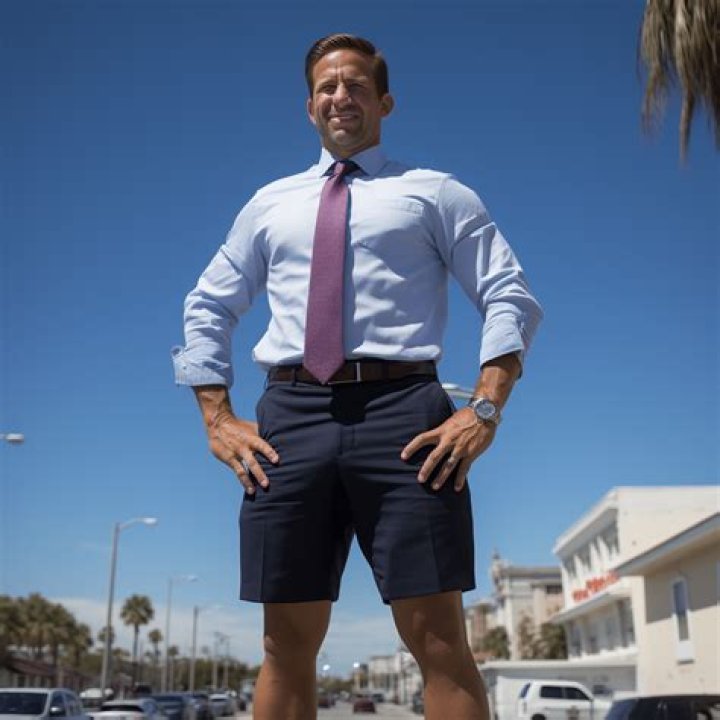
3. For some reason, I seem to collect more when I wear a suit and tie rather than casual clothes.
4. Look for the natural traffic flows in the area you are collecting. Place yourself near bottle necks, main routes of traffic or where people have their wallets/purses out. For example, near ticket barriers at train stations or as people leave a shop.
5. Always say thank you, how much you appreciate the donation, have a good day etc. Try to make a positive impact in the few seconds you have.
6. Make sure you have something in as large writing as possible outlining who you are collecting for. Yesterday, we tested some A4 signs on our chests with short phrases like ‘Help the blind’ ‘Stop, look, give’ ‘Every penny counts’ ‘It’s for the blind’. Anecdotally these seem to work/make a difference, but i’d love to do some scientific testing of what works best!
7. Again, anecdotally older women are still the most likely to give, with men under 30 the least – in fact I didn’t get one donation from this age group yesterday, including from my own brother-in-law!
8. If appropriate you should encourage service users/providers to help. Nurses always did fantastically when out collecting in uniform when I worked at the hospice. In fact we had quite an intense debate on whether we should all dress as nurses, though in the end decided it would be a bit unethical!
On average a decent collector in a good spot should collect £30-50 per hour. The best collectors can collect over £100 per hour, which is a pretty good return.
What tips and experience do you have of street cash collections? Any favourite methods to boost the total?
*: This photo is from my work archive. Next week is our 90th annual street collection in the City of London. If anyone can spare an hour to help on the 15 April then do get in touch and I promise to repay the favour!
Comments
Ladies collecting in London in 1958*
I spent yesterday morning stood in Victoria train station collecting money. It’s something I’ve always enjoyed (I know some people hate it) though it’s a good few years since I last rattled a tin!
It’s not something I’ve read many blogposts about, yet collections still raise millions every year, so I wanted to share some tips and ideas I’ve gathered over the years.
1. Smile and try to make as much eye contact as possible.
2. Use a bucket (if available) and hold it chest high in front of you. If you don’t have a bucket, try using two collecting tins and hold them as high as is feasible and comfortable.
3. For some reason, I seem to collect more when I wear a suit and tie rather than casual clothes.
4. Look for the natural traffic flows in the area you are collecting. Place yourself near bottle necks, main routes of traffic or where people have their wallets/purses out. For example, near ticket barriers at train stations or as people leave a shop.
5. Always say thank you, how much you appreciate the donation, have a good day etc. Try to make a positive impact in the few seconds you have.
6. Make sure you have something in as large writing as possible outlining who you are collecting for. Yesterday, we tested some A4 signs on our chests with short phrases like ‘Help the blind’ ‘Stop, look, give’ ‘Every penny counts’ ‘It’s for the blind’. Anecdotally these seem to work/make a difference, but i’d love to do some scientific testing of what works best!
7. Again, anecdotally older women are still the most likely to give, with men under 30 the least – in fact I didn’t get one donation from this age group yesterday, including from my own brother-in-law!
8. If appropriate you should encourage service users/providers to help. Nurses always did fantastically when out collecting in uniform when I worked at the hospice. In fact we had quite an intense debate on whether we should all dress as nurses, though in the end decided it would be a bit unethical!
On average a decent collector in a good spot should collect £30-50 per hour. The best collectors can collect over £100 per hour, which is a pretty good return.
What tips and experience do you have of street cash collections? Any favourite methods to boost the total?
*: This photo is from my work archive. Next week is our 90th annual street collection in the City of London. If anyone can spare an hour to help on the 15 April then do get in touch and I promise to repay the favour!
Grants for Non-Profit Horse Sanctuaries
Charities are instrumental in helping society tackle issues such as environmental preservation, curing diseases and fighting hunger. To be successful, they need constant donations in terms of money, foodstuffs or volunteer time. More than 5,500 charities operate in the United States, but only some efficiently manage their donations, as per the Charity Navigator, an independent charity evaluator.
Children’s Charities
Children’s charities focus on child-related issues. The Children’s Aid Society (CAS), based in New York, is a children’s charitable organization serving more than 150,000 children annually. According to CAS, 91 cents of every dollar donated is spent directly in serving the children. The organization Horizons for Homeless Children provides educational and recreational facilities to more than 2,200 children weekly in Massachusetts and shelters 175 homeless children through its three Community Children’s Centers in the same locale. Other children’s charities demonstrating efficient use of donations include Our Lady’s Inn in Saint Louis and Edgewood Boys Ranch in Orlando, Florida.
Humanitarian Charities
Humanitarian charities use their donations to provide direct services to people in need. Direct Relief International in California uses donations to provide medical assistance to improve the health and lives of people affected by poverty and disasters in the United States and throughout the world. According to Charity Navigator, Direct Relief has provided more than $1.4 billion worth of medicines, supplies and equipment across the world since 2000. The Food Bank of Lincoln in southeast Nebraska collects food from farmers, corporations, restaurants, churches and individuals and then distributes it to hungry people across the United States. As of 2008, the Food Bank distributed over 4.2 million pounds of food, according to Charity Navigator.
Healthcare Charities
Charities that address health-related problems such as HIV/AIDS attract a lot of donations from philanthropers. Dana-Farber Cancer Institute, located in the Longwood Medical Area in Boston, Massachusetts uses its annual revenues of about $800 million to serve more than 299,000 patients who visit its center annually. Other charities include The Paediatric Cancer Research Foundation, which focuses on improving the quality of life of children with cancer; over 80 percent of its donations go directly to research. The Breast Cancer Research Foundation in New York is a charity that directs 85 cents of every dollar donated to research and awareness programs.
Animal Charities
Animal charities protect, provide healthcare and look after the welfare of domestic and wild animals. The Citizens for Animal Protection in Houston uses 86.2 percent of its donations for sheltering, rescuing and finding homes for homeless animals. It also provides education on wildlife conservation to the public to prevent cruelty to animals. Other animal charities that use donations efficiently include the Humane Society of Southern Arizona and the Kansas Humane Society.
Christian Charities
Most Christian charities focus on advocating for integrity as well as helping humanity. Compassion International (CI) is a Christian charity that uses its donations to enable more than 1 million children across 25 countries to grow into responsible adults. According to CI, at least 80 percent of its annual expenditures are used for child development programs. To ensure efficient use of the donations, CI conducts periodic internal audits as well as annual external audits in accordance with auditing standards accepted in the United States. Other charities known to efficiently use donations include Vision International and the Christian Relief Fund.
Its time to hit the streets
Street based charity collections are not every volunteers favourite fundraiser.
They do however bring in the cash and are a great way of raising the profile of your organisation or good cause.
Choosing the right location
The choice of location for your street collection is extremely important in order to maximise the number of passers-by / potential donors. Town centres and high streets are best along with shopping malls.
You may need to check with the local authority whether permission for charity collections is needed (it usually is). Some larger supermarkets will also allow charity collections outside their stores but do seek permission first as many operate a waiting list of groups wishing to run collections. If undertaking a collection at a supermarket do follow any specific guidelines and be polite to customers. The stores will not take kindly to you giving their customers a hard time.
These 2 veterans have secured a prime spot. London Victoria Train Station during the rush hour. Their medals and berets made them really stand out.
Picking the right day and time
Choosing a good date is important. Avoid holidays and other times when people (and your own volunteers) are likely to be busy or when other collections are likely to be taking place. Timing is also important and should depend on your location but also when you are likely to be able to muster the required volunteers.
Street collection licence
For most street charity collections it will be necessary to obtain a licence from the local authority.
In the UK, for instance, it is illegal to hold a street collection to collect money or sell articles for the benefit of a charity in any public place without one.
It is often assumed that collections held in shop doorways or car parks do not need a Street Collection Licence because they are being held on ‘privately owned land’.
This is not true. A shop doorway or carpark, when that shop is open for trading, is a ‘public place’ because the public has access at that time.
In the USA and other countries different rules may apply please check with your local authority.
As much as anything else a licence system should prevent you clashing with other collectors.
Finding the right volunteers and making their job easier
As mentioned previously volunteering to rattle a tin is not within every supporters comfort zone. You can make life easier for them by having a clear rota for the collection with volunteers signing up for just an hour each before being relieved.
This is not a job for shrinking violets however and you need enthusiastic and friendly volunteers who don’t mind “standing up for the cause” – Street collections require a positive attitude.
The reverse of this is also true however. You should beware of the over-enthusiastic tin rattler who chases people up the street and will probably do your organisation more harm than good.
The best approach is to be positioned in a good spot with plenty of passing traffic so as you are close enough to solicit contributions without getting in the way of people going about their normal business.
A great way to help your collectors is to have clear posters up explaining exactly who you are and what you do. Make sure also that your supporters are well briefed on your organisation and exactly where any money raised will be going.
Remember also that a picture tells a thousand words so if you have good images set up a display board and use them. Its much easy to approach someone with your collecting tin if they have stopped to look at what you do.
Offering flags, stickers or balloons to children is another way to minimise the “embarrassment factor” of asking for donations.
It also is a good way to engage with parents who might be more likely to put their hand in their pocket for something for their children (even if it is only a sticker). Its also easier for volunteers to ask “would you like to buy a flag” than simply rattling a tin.
A good organiser should be on hand to lend collectors moral support. A friendly word of appreciation, the offer of a sweet a quick check they are ok every so often, can really make all the difference.
Show your appreciation – Don’t forget also to let all volunteers know the exact total raised as soon as possible after the event. A quick phone call or thank you note with the total is really important.
Dressing up
Dressing up can add to the fun and bring in extra cash
Sometimes you don’t have to say anything much at all.
The Chelsea Pensioners live at a home for ex-service men and women in London. Their colourful uniforms always make them stand out and they are a much loved part of the city community wherever they go.
Their uniforms and medals also provide the perfect outfit for fundraising and tell you everything you need to know in an instant.
A simple smile works wonders
This nun is raising funds for London homeless persons charity The Passage at Victoria Station.
Lots of passing trade and her lovely smile. Who could resist?
For others a simple bit of dressing up will do .
Here fundraisers are dressed as the characters from popular UK TV Comedy Only Fools and Horses to raise money for a Multiple Sclerosis Charity. The Van from the series draws attention while the fundraisers work the crowd.
Other information
You should always have flyers about your organisation ready to hand for people who want more information. Charity collections in the street are great for profile raising and finding some new volunteers for your organisation. So don’t miss the opportunity for lack of a pen and paper!
Taking care of the money
Any money collected should go into closed and sealed tins and it is definitely worth investing in or borrowing official charity collecting tins in order to reassure people that you are above board and professional. The collection tins should later be opened and counted in the presence of two or more people.
Income tax Dates
You can claim 33.33 cents for every dollar you donated to charities or similar organisations.
You can only claim on donations that added up to the same amount or less than your taxable income during the tax year.
Who can claim
You can claim donation tax credits if you:
- are claiming as an individual and not on behalf of a trust, partnership or company
- were a New Zealand tax resident at any time during the tax year (1 April to 31 March).
What you can claim for
You can claim tax credits for donations of $5 or more when the donation:
- was to an approved organisation
- did not provide any direct benefit to you or your family.
- was not given, bequeathed, done or appointed by will or made by way of a full or partial debt forgiveness.
Donations to schools
You can claim for donations to most schools and parent-teacher associations.
You cannot claim for:
- tuition fees
- private school fees
- exam fees
- attendance dues
- tertiary education fees
- parent-teacher association membership fees
- costs for a student doing a voluntary activity which is not part of the school curriculum
- costs of materials for something a student made at school and took home, such as something made in a woodwork class.
How much you can claim
The total you can claim in one tax year is the lesser of:
- 33.33% of your total donations
- 33.33% of your taxable income.
If your total donations were more than your taxable income you can share your tax credit with your spouse or partner. You would claim up to your income amount and your spouse/partner would claim the rest.
Sharing your tax credit
When you submit your donation receipt in myIR, let us know how much of it you want to allocate to your spouse/partner.
We will allocate the amount to them. Your spouse/partner does not have to submit the receipt themselves.
You can do this even if the receipt is in your name only.
4 year limit
You can submit a receipt for a donation at any time within 4 tax years of the date of the donation. Any credit you are due will apply to the tax year the donation was made, not the year you submitted the receipt.
What needs to be on your receipt
You need a receipt for every donation you want to claim for.
The receipt needs to:
- be in your name or your spouse or partner’s name
- show the amount and date of the donation
- clearly state that it’s for a donation
- be signed by an authorised person
- be on the organisation’s letterhead or show its name and official stamp
- show the organisation’s IRD number and/or charities services number
- show the word ‘copy’ or ‘replacement’ if it’s a replacement receipt.
If you want to claim for a donation of $5 or more made over the phone you need a receipt from the approved organisation. A copy of your phone bill is not a receipt.
Other ways to donate
You can ask your employer or payer to deduct donations from your pay and pass them onto charities or similar organisations. We call this payroll giving.
For every dollar you donate you get 33.33 cents back as a tax credit. The credit reduces the amount of PAYE or withholding tax you pay.
Charity Street Collection Rules – how does it work?
One of the most simple and familiar approaches to fundraising, asking members of the public for money has always been a popular way to raise money for charity, whether by way of a collection box at your local pub or shop, or by shaking your bucket in the street. But there is a lot of confusion around charity street collection rules.
Although the actual collection of money may be easy, you need to make preparations. Before you embark on your fundraising efforts, there are two important questions you need to ask:
- Is it the most effective way of raising funds for your charity?
- What are the charity street collection rules?
Is charity street collection effective?
There was a time when most people would happily put their loose change into a charity collection box without giving too much thought to what cause they were donating to.
Nowadays, however, people get what’s called “giving fatigue” and, while the public can brilliantly support a major disaster appeal, they can also feel pressurised by all the publicity for other charities and appeals whenever they’re walking down their local high street. With so many requests for donations, people are much less willing to give as a matter of course, even if they’re all for a great cause.
A charity collection can take a surprisingly long time to organise and a lot of volunteer effort. You need to weigh it up: are you likely to raise more by appealing to the wider public than you would from a fundraising event with your own members, family, friends and other supporters?
The success of a charity collection might depend on how well-known your charity is. That doesn’t mean you have to be a household name, but it would definitely help if people in the local area know you or your cause. People may be reluctant to support a charity that they’ve never heard of.
If your charity isn’t well-known locally (or even if it is!), it would be a good idea to try to get some publicity in the local newspaper shortly before your event. If people can relate to your cause and you create a human connection between the public and the people your charity helps, they will be much more inclined to spare some change.
It is important to make sure your collection volunteers know enough about your charity and the reasons behind the collection to be able to respond to any questions in a helpful and trustworthy way. Nobody will want to give their money to a stranger in the street who doesn’t know where the money is going.
If you have any branded promotional material, such as leaflets or posters, displaying or handing these out can really boost your charity’s visibility as well as perceived credibility. And of course the collection event itself will help to raise your profile locally and get you recognised by many more people.
What are the rules of charity street collection?
There are laws about charity collections with which you must conform. Most importantly this ensures that only legitimate organisations are collecting, but also aims to minimise disruption to the public and local businesses.
The laws vary depending on whether you are holding the charity collection in England and Wales, or in Scotland, or in Northern Ireland, but are mostly similar. Please check with your local authority for full details.
First and foremost, you must obtain a street collection permit from your local council. You may find it more difficult to be granted a permit for areas that are particularly popular for street collectors, so you should allow plenty of time for your application to be accepted before your event.
You must remain stationary, which means you can’t directly approach people. You must not position yourself somewhere which obstructs or endangers the public.
All buckets and tins must be sealed (with cable ties or stickers) and clearly labelled with the name of the charity. Contrary to popular belief, shaking or rattling your bucket/tin is perfectly legal, if perhaps a little annoying!
| Council File | Title | Last Changed |
|---|
| Date | Activity |
|---|
| Title | Date |
|---|
| Contract Number | Title | Last Changed |
|---|
| Title | Date |
|---|
| Title | Council File # | Effective Date |
|---|
| Date | Activity |
|---|
| Title | Date |
|---|
Disclaimer
This service has been provided to allow easy access and a visual display of Council File information. Every reasonable effort has been made to ensure the accuracy of the data provided; nevertheless, some information may not be accurate. The City Clerk’s Office assumes no responsibility arising from use of this information. The associated data are provided without warranty of any kind, either expressed or implied, including but not limited to, the implied warranties of merchantability and fitness for a particular purpose. Do not make any business decisions based on this data before validating your decision with the appropriate City office. Any inconsistency between original, printed documents, and electronic documents shall be resolved by giving precedence to the printed document.
The City of Los Angeles is neither responsible nor liable for any viruses and/or other contamination of your system, nor for any delays, inaccuracies, errors, or omissions arising from your use of the site. The site and all materials contained on it are distributed and transmitted “as is” without warranties of any kind. The City of Los Angeles is not responsible for any special, indirect, incidental, or consequential damages that may arise from the use of, or the inability to use, the site and/or the materials contained on the site whether the materials contained on the site are provided by the City of Los Angeles or a third party.
Council File Management System Help
The Council File Management System(CFMS) is your on-line access to a comprehensive file index and management system, with summary and detail of all legislation considered and/or acted upon by the Los Angeles City Council. The electronic CFMS contains all records of legislation, commendatory resolutions, results of City Council votes, and scanned documents and reports filed in the City Council’s files.
You can perform searches for Council Files, view file activity and related documents. The CFMS contains Council files dating back to the year 1979. Council files from 1940 to 1979 can be access online via Council Indexes. The City Archives (Office of the City Clerk Records Management Center) stores the handwritten and typed Council Files dating from 1850 to 1979 and can be accessed through a written request to the City Clerk.
Important Search note: Only the first 100 Council files that match your search criteria will be displayed in the search results listing. Use the most unique information you have about the Council file to narrow your search. Search results are sorted by “relevance ranking”. Rather than a single text index the search tool uses multiple indexes and combines them into a master index. It also uses synonym or word-like search functionality, for example, when searching for the word “car” the index may return documents with words such as automobile or vehicle, etc.
Contract Help
The Contract Search System, formerly part of the Council File Index (CFI) system, is your on-line access to all contracts that are submitted to the City Clerk’s office including contract summary information, action history as well as scanned contracts.
You can perform searches for contracts by contract number or contracts beginning with a specific sequence of numbers. If you don’t know the contract number you can also perform a search by keyword or phrase, which will display any records that contain the word or phrase you are searching for.
Please note that although the contract system does include scanned contracts, the contracts themselves are not searchable in this system.
Important Search note: Only the first 100 contracts that match your search criteria will be displayed in the search results listing. Use the most unique information you have about the contract you are looking for to narrow your search results.
Ordinance Help
The Ordinance Search is an index to all City of Los Angeles Ordinances adopted since 1979. If you fail to find an ordinance here, then also search the Council File Index and the City Codes (Municipal and Administrative) at
Important Search note: Only the first 100 Ordinance file that match your search criteria will be displayed in the search results listing. Use the most unique information you have about the Ordinance file to narrow your search.
| Type this | To find |
|---|---|
| 164711 | All files that have this ordinance number |
| 16471* | All files that have this ordinance number or any ordinance number starting with this number |
| street / highway | All files that have either the word street or the word highway (or both) appearing in it |
| reseda & zone | All files with the word reseda and the word zone |
| lighting ! street light | All files with the word lighting but not the phrase street light |
| 5-7-2004 | All files that contain the date 5-7-2004, 5/7/2004, or May 7, 2004 |
For fast, easy access to LACityClerk Connect mobile web app, simply add the site to the Home Screen on your mobile device.
*Please navigate to the Home Page before adding Icon to Home Screen.
iOS (iPhone, iPad, iPod)
Tap the Share button and tap the icon labeled “Add to Home Screen”.
Android
Press the menu button and tap the “Add shortcut to home screen” option.
COVID-19 (Coronavirus) update
April 30, 2020: Parking enforcement will resume across the city. Parking-enforcement efforts will focus on priority and problem areas such as:
- Metered-parking areas
- Time-limited areas
- Residential-permit parking zones with little to no availability
Restarting parking enforcement will allow healthcare and homecare workers to find parking spots more easily as they work to keep their communities safe.
Parking meter tips
- Parking meters are in effect from 9am to 10pm, 7 days a week, including holidays.
- Report a broken meter. Do not park at it. You will get a ticket.
- Daytime rates (9am to 6pm) may be different from evening rates (6pm to 10pm).
- Before paying, check if there are parking restrictions in effect, such as rush hour, special events, or construction.
- Pay with the PayByPhone app and get text alerts when your session expires and extend it.
Parking time limits, metered parking, and other regulations help to:
- Ensure you can find on-street parking near destinations such as shops, services, and amenities
- Manage streets in industrial areas
- Serve residential visitors and service providers in denser neighbourhoods
- Minimize unnecessary searching for parking, congestion, traffic safety risks, GHG production, and air pollution
Our goal is to provide up to two available parking spaces per block in peak periods.
Time-limited parking
- Is typically 1 hour or 2 hours
- Gets shorter as demand for parking increases
- Is replaced with parking meters if time limits alone are not effective at managing parking
Parking meter rates
- Vary throughout the city
- Are set based on demand and may vary by time of day
- Are adjusted annually based on parking data collected in the previous year
- 5% tax is included in parking meter rates
Other street parking regulations
Loading and passenger zones
Find out about the rules on using a loading zone or passenger zone in Vancouver.
Accessible parking
Find accessible parking in Vancouver. Learn about parking exemptions for people with disabilities, and how to get a SPARC parking permit.
Car-sharing, carpooling and ride-sharing
Save the environment and make new friends. Find out how to join a carpool, car-share, or car co-op.
Motorcycles and scooters
Find motorcycle and scooter parking in Vancouver. Learn how much it costs to park your motorcycle and scooter.
Public parking lots
EasyPark is a City-owned, non-profit company that manages parking lots that are owned and leased by the City of Vancouver.
Find parking lots around Vancouver and in City parks on the EasyPark website .
Many people have taken steps to make their homes environmentally friendly by changing their light bulbs, recycling their trash and conserving their energy use. The next step may be to contribute to the local community by planting trees in the city, suburbs and even farmland.
Communities, non-profit organizations and other groups have joined to organize a tree planting program. The first step is to select the area to be planted, and the second step is to create a tree planting proposal.
Trees are being stripped from the earth at an alarming rate, but they can be replaced with a concerted effort on the part of people to plant more trees. Trees contribute to clean air, provide shade to cool the temperature and add beauty to the neighborhood. In some cities, the trees that were planted more than 100 years ago have lived their full life cycle and need to be replaced. Some are also lost to drought or storm damage.
Other conditions may also apply such as the number of trees being planted. Some people may require a specific number and type of tree depending on the area such as 10 trees in a park or 50 fruit trees in a vacant lot or 100 conifers in a forest. People planting the trees may also need to commit to a maintenance plan for one to three years after planting to make sure the saplings live.
A tree planting proposal letter should forecast the scope and nature of the proposed project in the first paragraph. It may include the type of project such as planting trees in an empty median on a particular street, or on the strip of earth between the sidewalk and the street. Some cities will supply the trees if the group will supply the labor.
It is recommended that the proposal provide some background of the area being planted including local history. It is also recommended for the group to explain why they feel the project is necessary.
If the project appears to be beneficial for the area, there is a better chance it will be granted. The objectives of the project should be clearly stated in a bullet list that states:
• The explicit objectives
• Implicit objectives
• Consequential objectives
The proposal should give a step-by-step process for fulfilling the project. If the group needs to find more volunteers to do the work, this should be stated. If a grand opening at the end of the project is envisioned, this should be stated.
Any resources required for the project should be listed and how the group plans to get these resources. A time frame for the project should also be given.
Below is a sample tree planting proposal letter. It is a formal letter that should be written as a business letter. It should be addressed to the person who may be able to grant the proposal such as a city councilperson or a mayor. If the property is owned by a private party, he or she needs to give permission too.
Sample Tree Planting Proposal Letter
Name of Principal or Teacher
Name of High School
Address of High School
City, State, Zip Code
Name of Relevant Person
Title of Relevant Person
Address of Relevant Person
City, State, Zip Code
RE: Proposal for Planting Trees at ADDRESS
Dear Name of Relevant Person:
This letter is a formal proposal from the Freshman Class of Name of High School, YEAR, to plant 20 trees in the vacant lot that is located at ADDRESS. The lot is next to the high school and the class would like to beautify the area. The lot has been vacant for the past 15 years and has become a dumping ground for trash. The city owns the property. Our class proposes to:
• Clear all the trash from the lot
• Prepare the ground for planting
• Plant 20 trees of different species
• Water and maintain the trees for the next three years
The father of one of the students owns the landscaping business, NAME OF BUSINESS, and his employees will prepare the ground for planting after the students have cleared away all the trash. The students have their own shovels and spades. If Name of City would like to donate the trees, it would be most welcome.
Otherwise, we will receive 20 donated trees from the locality. We would like to start the project in early June of this year, so it can be completed during the summer vacation.
If you would like any more information, I can be reached at Phone Number or Email Address.
Thank you for your consideration of the Tree Planting Proposal.
Sincerely,
Signature of Principal or Teacher
Printed Name of Principal or Teacher
By Andre Bradley
How to Write a Memorial Contribution Letter
If you work for or volunteer at a nonprofit organization, you understand that a large portion of the organization’s funding comes from donations from individuals and institutions. One way nonprofits solicit donations is by sending out letters to past donors and potential donors, asking for money. A key part of the letter is explaining to a donor why their gift is so important to the organization. Some letters also make donors aware of incentives they will receive if they give money.
Open a new text document for your letter. Leave several spaces at the top of the letter document for your nonprofit’s letterhead.
Type the date of the letter, press “enter” twice, then type the recipient’s full name. On the next line, type her street address, then on the next line, type her city, state and zip code. Press “enter” twice.
Type “Dear” then the recipient’s name. Use the first name if you want to seem friendly and personal or her title and last name if you wish to be more formal. Type a colon after the name. Never open the letter with “Dear Friend” or anything generic. You are asking people for donations, so you need to be as a personal as possible. If you have a lot of letters to write, consider using a mail program that will insert the names in automatically.
Press “enter” twice, then type the body of the letter. Write an engaging story in the first paragraph. It should grab the reader’s attention and make her continue reading the letter. The story should tell how your organization aided an individual. For example, if you provide food to working families, tell a story about a specific family you aided and how the food helped them thrive. If you are a performing arts nonprofit, tell a story about a child who was impacted by seeing a play or dance at your venue.
Continue the letter by explaining how the donor’s money will help your organization to continue to carry out its mission. Use the word “you” frequently in the letter, to make the donor feel involved with the organization and helpful. Stress how her donations make a difference. Leave a space between each paragraph for readability.
Ask for money in the closing paragraph of the letter. Be specific in your request by typing something along the lines of “Can you give $50, $100 or whatever you can afford to help us feed the hungry this winter?” Be sure to phrase it as an ask, not a demand. A donor doesn’t want to feel as though you’re expecting the money from her.
Thank the donor in advance and close the letter. Type “Sincerely,” then press “enter” four times to leave space for your signature. Type your name and relevant title, such as “Director of Donations” or “CEO” underneath it.
Add a postscript to the letter if you think it is relevant. For example, if you’ve received a challenge grant, mention that every dollar the donor gives will be doubled until a certain date. If you have a promotion, such as a free T-shirt for every $50 donation, mention that in the postscript.
The Blood Donation Process
Registration
- We’ll sign you in and go over basic eligibility.
- You’ll be asked to show ID, such as your driver’s license.
- You’ll read some information about donating blood.
- We’ll ask you for your complete address. Your address needs to be complete (including PO Box, street/apartment number) and the place where you will receive your mail 8 weeks from donation.
Tip: Download the Blood Donor app. After your first donation, use the digital donor card to scan in at registration.
Health History
- You’ll answer a few questions about your health history and places you’ve traveled, during a private and confidential interview.
- You’ll tell us about any prescription and/or over the counter medications that may be in your system.
- We’ll check your temperature, pulse, blood pressure and hemoglobin level.
Tip: Speed up your donation by completing a RapidPass® online or on the Blood Donor app on the day of your donation.
Your Donation
- If you’re donating whole blood, we’ll cleanse an area on your arm and insert a brand new sterile needle for the blood draw. (This feels like a quick pinch and is over in seconds.)
- Other types of donations, such as platelets, are made using an apheresis machine which will be connected to both arms.
- A whole blood donation takes about 8-10 minutes, during which you’ll be seated comfortably or lying down.
- When approximately a pint of whole blood has been collected, the donation is complete and a staff person will place a bandage on your arm.
- For platelets, the apheresis machine will collect a small amount of blood, remove the platelets, and return the rest of the blood through your other arm; this cycle will be repeated several times over about 2 hours.
Tip: There are many ways to make a difference by donating blood. Learn About Types of Donations.
Posted in Best Practices on February 6, 2020
By Carrie Saracini , Content Marketing Manager
The Secret to Getting People to Give
Giving isn’t a business transaction. It’s a human connection. To inspire donors to give, you need to make a meaningful connection by showing them why they matter and how they can make a difference. When you understand why your donors give, you’ll be able to make a more effective appeal.
Don’t be afraid to reach out to your donors personally and find out why they give. Their stories matter, and sharing them create inspiration for others to follow their example.
If you don’t have an easy way to keep track of your relationships with your donors, check out Network for Good’s simple, smart fundraising software.
Network for Good surveyed 3,000 donors to find out what inspired them to give.
Here are the top 8 reasons for donating, from most important to least:
- I know there is a need for the nonprofit’s mission in my community and I know it does good work
- I believe the nonprofit will use my gift to stabilize or expand programming
- The nonprofit communicates about the impact of giving by sharing program outcomes
- I know someone who benefitted from the nonprofit’s work
- I want to be associated with the organization and its brand
- I see the organization online and on social media
- I want the tax deduction
- I know someone on the board of directors or who volunteers
We also asked some of the 10,000+ small nonprofits we work with for some of the most common reasons their donors give. Here’s what we heard:
4 bonus common reasons for donating
- Someone I know asked me to give, and I wanted to help them
- I want to feel I’m not powerless in the face of need and can help (this is especially true during a disaster)
- I want to memorialize someone (who is struggling or died of a disease, for example)
- I was raised to give to charity—it’s a tradition in my family or part of my faith
Putting this into action
People act from the heart, not the head:
Yes, your nonprofit has to show that it’s a good steward of donor money and you need to show where all that generosity is going, but your appeal must contain more than numbers and pie charts.
Giving is a personal act:
Your appeals need to be donor-centric. Make sure to tell your donor why they should care, and why they matter to your organization. Learn more about crafting your call-to-action and writing personal emails.
Let donors support your cause long-term:
You donors aren’t just interested in your cause right now – they’re likely to still care in a month or a year. Give them the option to make a recurring donation to your cause.
There are many reasons why people give. When you’re crafting your next fundraising appeal, take this list out and ask yourself if you’ve tapped into these reasons.
Editor’s note: This post was originally published in 2015 and has been revamped and updated with new fundraising insights.
Raise More This Year with Smarter Fundraising Software
Share your thoughts!
Join the conversation to offer your insight and experience. Have a question? We’d love to hear it!
Subscribe to the Nonprofit Marketing Blog
Join over 84,000 readers and have blog posts sent directly to your inbox.
- 149,000 Subscribers 2,990 Posts
Featured Guide
Virtual Fundraising Toolkit
Featured Free Webinar
The Importance of Digital Communication During a Crisis
Carrie Saracini
Content Marketing Manager
We’re here to help you win hearts and minds—and donations.
Want to raise more money and learn how to market your cause with bigger impact? You’re in the right place! The Nonprofit Marketing Blog is managed by our team of experts here at Network for Good. We’re here to bring you the best in nonprofit marketing trends, fundraising techniques, technology developments, and amazing nonprofit examples.
Want to be a better nonprofit marketer and fundraiser? Get alerts for free tips, key content, and other training opportunities.
How Can I Help the Homeless? 5 Ways to Help Today
As an issue that directly affects thousands of people in Greater Cincinnati, our organization, Strategies to End Homelessness, works on a daily basis to coordinate homeless services. Concerned citizens, on the other hand, might not know where to begin. We often are asked the question “How can I help the homeless?”
In a world of quick fixes and instant gratification, issues such as homelessness can seem insurmountable. But homelessness is a problem that can be solved through deliberate, collective actions. Together, small actions can make a huge difference. But we truly can’t do it without you and the collective support of our community!
Here are 5 ways you can help – today!
1. How can I help the homeless? Donate Your Time – Become a Volunteer
First and foremost, we encourage everybody to volunteer for one of our many partner agencies throughout Greater Cincinnati in the work they do. From serving a meal at a shelter, to sorting clothing, your time is one of the most valuable resources you can provide. Volunteering connects you to your neighbors and community, and helps build lasting relationships that help break the cycles of poverty and homelessness.
In addition, when volunteers are not available, organizations have to pay someone to prepare and serve meals. In turn taking funding away from helping people get back into housing. So, find an organization that lights your passion, such as working with homeless families with children, homeless veterans or homeless youth, and reach out today! Oh, and bring a friend along, too.
2. How can I help the homeless? Understand the Causes of Homelessness and Who is Homeless
Homelessness doesn’t exist in a vacuum. And most people who experience homelessness don’t become homeless overnight. From our experience, most people do not become homeless for only one reason. Rather, many complicated problems create a perfect storm, leading a person to homelessness.
So, before we can solve homelessness, we have to first understand and identify what homelessness is. The many contributing factors are often not what we might think. For example, homelessness is normally a short term crisis (30-45 days), not a long-term situation. Youth are more likely to be homeless. In fact, 25% of all homeless in Greater Cincinnati are under the age of 18. And locally, African- Americans are grossly over-represented among the homeless, indicating a host of problems that disproportionately affect black families.
For fast facts, historical perspectives, and a deeper look into the causes of , and solutions for homelessness, check out our Data page. There, you’ll find fact sheets on a wide range of topics surrounding homelessness. Read our report “Home” for data on homelessness in Cincinnati to help you be better informed about some of the issues facing our community.
And to keep updated on our progress to end homelessness in Greater Cincinnati – and learn more about our partner agencies – please sign up for our newsletter.
3. How can I help the homeless? Share Information and Educate Others
Before you do anything else, educate your friends and family about the realities of homelessness. Help dispel myths, and tell them how they can fight to end homelessness. Your voice, echoed among your social networks, can have tremendous influence over your peers and colleagues. Small, collective social actions can change public perception, inform and influence dialogues, and change the law.
Let’s connect on social!
We are available to speak with companies, community groups, and churches to help educate everyone on the causes of homelessness and how they can help. Contact us today!
4. How can I help the homeless? Give your Financial Support
By giving your financial support – of any amount – your money goes exactly where it’s needed most. In fact, 97% of our funding is spent directly on our programs and the people we serve; only 3% goes to administrative expenses.
The largest source of funding for our local homeless services system is the U.S. Department of Housing and Urban Development. But these funds may be used only for narrowly-defined purposes. Therefore, we turn to our supporters to strengthen our community’s response to homelessness. Please consider a donation today!
Your donation will have an immediate – and lasting – impact on the children, families, and individuals experiencing homelessness in our community.
5. How can I help the homeless? Stay informed!
Sign up for our email newsletter. Email is the most immediate way to keep you connected to our coordinated efforts to end homelessness, information on the important work being performed in our community, and ways you can make a difference by joining us in the fight to end homelessness in our community.
Solicitation letters help you draft powerful and appealing fundraising letters. The article below will provide you with some solicitation letter samples.
Solicitation letters help you draft powerful and appealing fundraising letters. The article below will provide you with some solicitation letter samples.
A solicitation letter
One of the most difficult tasks involves writing a donation letter which is also called a solicitation letter. Many organizations who help people write solicitation letters to raise funds. These letters need to be written with extra care so as to make them appear personal and do not appear to force the reader to give donations. If you look at some examples, you will find they are very concise, clear and contain all the needed information in short.
In the following paragraphs, we shall have a look at the solicitation letter format as well as an example that will help you learn more about the art of writing a donation letter.
Solicitation Letter Format
Use organization letterhead
When writing a letter, you should always use your organization letterhead. This will help identify your cause as an authentic and charitable one.
Be concise
You should be very brief in your letter and not write more than 4 to 5 paragraphs. Each paragraph should be about 5 sentences long.
Use convincing language
Write the letter in a persuasive language and explain the readers as to how they can help support the cause.
Explain the utility
It is important to explain how you will use the money and the impact it will have on the society.
Mention the date of fundraising
Don’t forget to mention the target date to raise funds. This will help the reader know that he/she should hurry, if he/she is interested in making a donation.
Mention names of contributing groups
You can mention other respective groups, individuals and other organizations (with their permission only) who are going to make a valuable contribution to your cause.
Proofread
Proofread the letter thoroughly and make sure you have not overlooked any typos, errors, or grammatical mistakes.
Mention a return address
Once the proofreading is done, fold the letter carefully and place it in an envelope. Write the address of the reader and mention a return address.
Appropriate postage
Paste appropriate postage and mail the letter. The following solicitation letter sample will help you get an idea about writing an effective letter.
Solicitation Letter Example
| Company Letterhead |
| John Brown Help Street Kids 0987, Mayfair Street New York City, NY 1233 |
Date: 15, March 2011
Mr. Abraham McHumery
Brown Street,
Gray Road,
New York, 1344
Dear Mr. McHumery:
I’m writing this letter to you on behalf of “Help Street Kids” program, an organization that provides aid to street kids around the city. The Help Street Kids Committee is a group of professional volunteers who work for the upliftment and better future of kids living on streets. We organize fundraising programs like charity balls and fun fairs to raise funds to support for the education and shelter of these kids. All you need to do is purchase tickets for the charity ball and coupons for the fun fair. The tickets cost just USD 15 and the coupons are available for USD 5, USD 10, USD 20, and USD 25.
Since last few years, the number of street kids has been increased immensely, and they are more prone to facing physical, emotional, and mental abuse. Hence, our organization is trying to make people aware of their plight and needs. We invite people to participate in our charity balls and fun fairs. We will be happy to see if you participate in any of the events hosted by us. You will not only give these kids your financial support, but help them believe they are loved and cared for by the society.
You can buy the tickets and coupons for the charity ball and fun fair by calling our volunteers at any suitable time for you. You can contact Ms. Sherry Warren on xxx-xxx-xx and ask her for more details. You can even visit our website and book your coupons and tickets online. We will deliver then to your doorstep at no additional cost. We will be providing you with a donation certificate, if you wish to shower us with more generosity.
Please feel free to contact for any help or information from me about the events hosted by us. Your support is necessary to make the lives of the street kids better and brighten up their future.
Sincerely,
John Brown
If you look up the Internet, you will find many more solicitation letter samples that suit your need. Draft an interesting and appealing letter for donation that catches the interest of the reader. Do not bombard the reader with too many sad stories or keep asking for money. You need to sound genuine and concerned about your cause. Hope, the above sample of solicitation letter has helped you get a fair idea about drafting your own letter for funds.
As a member trying to help with your organization’s fundraising efforts, donation request letters play an important part in this process. Donors and sponsors are interested to know how their contributions can impact a project, event, or cause.
If you would like to learn how to craft a well-written letter to send to potential donors, seek guidance from sample donation request letters. The layout and format will provide you an idea on how to deliver your message in a clear and concise manner.
Table of Contents
Sample Donation Request Letter:
Your Organization’s Full Address
Date
The Recipient’s Full Address
Dear [Donor’s Name],
[Begin with success stories. These will help people feel the importance of your cause.] [Communicate the organization’s goal for the event and make sure your letter is focused on a particular community need.]
Our community faces [issues/problems] that you are trying to help fix]. Currently we are [add attempted solutions], we need your assistance in our efforts. Your expertise and support are important to [solve the problem].
[Identify the action you want the donor/sponsor to take, whether it’s accepting donations, attending hosted events, or donating items.]
Here is how your [gift or support] will impactful:
- $100 – [State how the donation will bring change or impact].
- $150 – [State how the donation will bring change or impact].
- $200 – [State how the donation will bring change or impact].
[Provide details on how they can respond including a return envelope if applicable].
Here are the ways you can make a donation:
- Make a donation online at [URL].
- Send a check to us in the pre-stamped envelope we’ve included.
- Give us a call at [phone number].
[Thank the sponsors or donors for their consideration and generous donations. Remember to check that the letters are signed by a real person and include their name and title below the signature].
Sincerely,
[Signature of Organizational Leader]
[Printed name of Organizational Leader]
Sample Fundraising Letter:
Your Name Your Organization’s Name Street City, State, Zip
Date
The Recipient’s Full Address
Dear [Donor’s Name],
Greetings. My name is [name] and [describe position, situation, and background]. We hope this letter finds you well. As you may know, [state the organization’s intention on why this fundraising event is taking place]. We’re pleased to invite you to be an important part of this exciting process.
We are looking to raise [amount of money] to help pay for [project or cause].
[Describe why the cause or project is important and how it could potentially impact the reader or the people you serve].
I’m writing to ask your support in this [cause or project]. A small donation of [amount] can [accomplish a task or reach a goal].
Your donation will go toward [provide information on what the contribution will be used for].
[Remember to add personalize the donations or fundraising event to the cause].
[Identify the action you want the the donors and sponsors to take whether it’s accepting donations, attending hosted events, or donating items].
[If it is an event, be sure to include the location, date, and time of the event].
This Saturday, [organization’s name] is hosting a special event to raise money [describe cause or purpose of the event].
Here is how your [gift or support] will be impactful:
- $10 – [State how the donations raised will bring change or impact].
- $20 – [State how the donations raised will bring change or impact].
- $50 – [State how the donations raised will bring change or impact].
[Provide details on how they can respond including a return envelope if applicable].
Here are the ways you can make a donation:
- Make a donation online at [URL].
- Send a check to us in the pre-stamped envelope we’ve included.
- Give us a call at [phone number].
Thank you for your contribution.
[Give thanks to the sponsors or donors for their consideration and generous donations. Remember to check that the letters are signed by a real person and include their name and title below the signature].
Sincerely,
[Signature of Organizational Leader]
[Printed name of Organizational Leader]
Page Navigation
Use the drop-down menu to jump to a specific section.
An art dealer is a highly-specialized business person; an individual with an extensive passion for and knowledge of the multi-dimensional world of art. Typically an art dealer is the liaison between an artist or buyer and their client; and traditionally conduct business through a gallery.
1. Getting Started as an Art Dealer
Learn the Basics of the Industry
Art dealers facilitate the sale of artists’ work to museums, galleries, corporations and collectors by representing artists, displaying their work and negotiating sales; in person or through an auction house. Art dealers play a major part in the development of an artist’s career.
For individuals interested in becoming an art dealer (or art broker), it is important that you learn to value and evaluate any art you intend to sell. On the whole, most art dealers focus on one particular type of art. For example, modern sculptures from artists like Damian Ortega or contemporary paintings by Damien Hirst or Marina Abramovic. You may enjoy the Old Masters of the Golden Age or Renaissance art. No matter the area of specialty, it is much easier to focus your efforts on a specific area instead of trying to become an expert on the vastness of artwork that has been produced or is being created today.
Once you choose an area of focus, you should be able to recognize the author of a piece, know what is popular, and have the ability to spot good pieces in other people’s art collections or at auction. You should also have a thorough knowledge of the audience you are working with.
As an art dealer, you will also need to work very closely with art collectors and individual customers who plan on buying art for their homes, restaurants, offices, and other places where art is appreciated. Just like any other sales job, a career as an art dealer is a business about the artists and the client, so you need to be prepared for the ups and downs that may affect the demand and supply of artwork. These changes could be anything from economic changes to a client’s swaying moods or overnight decisions that weren’t planned. Patience is very important for an art dealer to possess, and the ability to know when to close a deal is also something an art dealer should focus their efforts on developing.
2. Build a Deep Understanding of Art
Knowledge, Originality, & Passion Are Essential Qualifications
While just about anyone can strike up an interest in art, there are several essential skills you must possess in order to make it as a successful art dealer. It is very important to have deep knowledge and understanding of your specific area of art, but it is also vital that you understand the way that people choose to enjoy art as well. Additionally, art dealers must be great multi-taskers and have a grasp of marketing and business in the art world. Good communication and the ability to mediate between museum, artist and the public is also vital.
Art dealers must also be skilled in public relations and fundraising and have good writing skills.
Although a degree is not necessary to become an art dealer, many businesses and larger corporations prefer individuals with a postsecondary or advanced degree in fine art or in art history. A degree in art history provides individuals with an in-depth knowledge of all aspects of art, from a sculpture created in the early 1800s to contemporary artwork created with photography. You will learn how pop art and conceptualism changed an era, what minimalism is, and about the Fluxus Movement of the 1960s. Some programs require an internship which gives students valuable experience while working under the guidance of a professional. Students will also benefit from taking courses in marketing and business to gain an understanding of the financial aspects of the business.
Whether you plan on working with individuals, companies, or families who have the same level of understanding about art as you do or working with those who may need your guidance, knowledge is key within the industry. You may choose to study independently or perhaps work towards a degree, but either way, continuing education should be something you set aside both time and money to accomplish.
Aside from a thorough knowledge about your chosen area of art, you must be an art lover to be successful in the industry. If you are simply interested in entering this career path to make money, you may want to find another area of expertise. That’s because money may come and go, as you will work in an industry that can be fickle. But with enthusiasm and originality, you can find a way to stand out from the crowd and build your client base.
After all, doing what you love is an ultimate goal for many people across the globe, but as an art dealer, you actually have the opportunity to do just that. While it does take a great deal of time and energy to gain recognition in the art world, with enough passion, perseverance, effort, and backbone you can achieve the respect from industry insiders. By staying focused, patient and maintaining your passion and knowledge of art, you will have the best chance at becoming a successful art dealer.
3. Gain Experience & Build Industry Connections
Getting Your Foot in the Door Can Be Difficult
Getting started as an art dealer requires some participation in the art world. Some individuals intern while in school at art galleries or museums, others apply for a job as an assistant in a gallery upon graduation. Some who are auction house curators may decide to open a gallery of their own after years of experience under the guidance of other like-minded art dealers and artists. Many will take jobs in the marketing department of a gallery, or as a registrar or archivist in a museum, or selling art books in a bookstore. Some will even sweep floors just to get their foot in the door. Some artists find they have the marketing and business skills necessary to sell their own art and use their contacts to develop a body of work to represent. No matter what route you take, hard work and staying current with art trends and new artists is a given as the art dealer career field can be very competitive.
The artworld is highly competitive and notoriously difficult to break in to. But that shouldn’t keep you from making industry connections. Whether you choose to apply for an internship to work with other local art dealers or you take a position with a local gallery to gain more experience, networking is key for a successful art dealer. This is the best way to meet collectors, clients and other dealers that you may be working with in the future.
Another way to network is by joining art organizations and associations, or non-profit art centers that provide exhibition space for new or cutting edge art. Government agencies and other art groups also offer opportunities to network and can be found in most states and larger cities. In Pennsylvania alone, there are more than 80 organizations for artists and aspiring art dealers to join or gain contacts through exhibitions and regional art fairs.
Help from Crisis
If you’re homeless or are at risk of becoming homeless, we can help you:
- find a safe home and settle in
- learn, get an education and skills training
- find work and apply for jobs
- look after your health and well-being
- volunteer and meet new people
Find a hostel or shelter
Many hostels and shelters only give beds to people who’ve been referred by other agencies.
Read the general advice on hostels, below, from homelessness and housing charity Shelter if you need a hostel or night shelter now.
The Pavement magazine also has a list of night shelters on its services page.
Get advice from your council
Get advice from your local council If you’re homeless, or at risk of becoming homeless, your local council is likely to have a duty to help you stay in your home or find accommodation.
They may also have a duty to house you depending on your circumstances, such as if you have children who depend on you. They have to provide you with advice on your housing situation and alternative housing options.
Find out more about a council’s duty below.
Looking for private rented accommodation
Use this database to find projects and organisations that help people who are homeless or at risk of homelessness to find rented accommodation.
Access a specialist service
Access a specialist service If you or someone you know needs support and advice on emotional matters, your rights, money, domestic violence, benefits or being 16-25 years old and homeless, these organisations can help.
Legal advice
Health & wellbeing
Financial advice
Domestic abuse
Find people
Young People (aged 16-25)
LGQBT (aged 16-25)
Get expert housing advice
Shelter helps people struggling with bad housing or homelessness through free advice, support and legal services.
The charity also has a lot of housing-related information on its website offering practical advice on homelessness, housing benefit, council housing, private renting and much more.
Worried about safety?
If you (or someone else) are in immediate danger, call 999 and ask for the Police or an ambulance.
If you or someone you know is sleeping rough in England, Wales or Scotland, around the Glasgow area, these local services offer help:
Photo Credit: ©Buhanovskiy
What if I told you that you could help twice as many animals with your donation this Giving Tuesday — would you be interested? Five times as many animals? Ten times? How about one hundred times as many animals? Using years of research, our team at Animal Charity Evaluators (ACE) has produced a list of recommended charities to help you maximize your impact.
We work to find and promote the most effective ways to help animals. We do this by evaluating interventions commonly used to help animals, evaluating animal charities and providing advice to the general animal advocacy community on how to be most effective with their resources.
ACE adheres to the concept of “effective altruism,” which essentially means doing the greatest good with your time and money. Given the state of our charitable donations — only 3% of donations in the U.S. go to a blend of either animal charities or environmental groups – animal advocates need to think carefully about where they direct their limited resources.
Of all the animals killed in the United States, 99% are farm animals; despite this, charities that focus specifically on this area receive less than 1% of all funds donated to animal advocacy as a whole. On top of those numbers, it is likely that farm animals endure the greatest amount of suffering given that the vast majority are raised in abysmal conditions in factory farms. Even free-range establishments involve suffering and premature death; particularly extreme is that chickens raised for meat are killed at around seven weeks of age while they are arguably still babies.
Number of Animals vs. Amount of Donations. Credit: Animal Charity Evaluators
Based on these considerations and others, we are pleased to recommend Animal Equality, Mercy for Animals and The Humane League as our top charities. All three charities focus on farm animal advocacy. They impress us with their strategic approach to helping animals, their evaluation of their own programs and prioritization of resources, and their strong track records of success. We are confident that they will utilize marginal funds effectively, and recommend that advocates wanting to get the biggest return for their donation support their work. We provide a simple platform to support these charities on our website.
For those who want more detail on our findings, we highly value transparency and feature a large amount of content on our site explaining how we reached our recommendations. This includes in-depth reviews on selected charities, detailed descriptions of the criteria we use to evaluate organizations, and many blog posts explaining our thinking. Additionally, we feature links on our transparency page to our strategic plan, prospective goals, board meeting minutes, budget, policies, and even a mistakes page.
It’s never an easy decision to support one group over another. However, we can all agree doing more good is better, and these charities offer truly outstanding opportunities to help animals. Ultimately each of us has control over the change we make in the world, and we owe it to the animals to ask ourselves difficult questions and make informed decisions on how to do the greatest good with our time and money.
Visit this page to make a donation today, and share this article on Facebook and Twitter with the hashtag #GivingTuesday.
Make Charitable Giving an Investment, Not a Guess
Donating time or money to charitable causes is an essential part of many Americans’ lives. Giving allows us to help organizations that positively impact the world; it gives us a feel-good factor, and can even provide some donors with a tax deduction.
But with well over a million IRS-registered charities in the U.S., giving can be a confusing and sometimes frustrating process. How do you know that charity is doing a good job? Could that fundraising call be a scam? Can I be sure that the IRS approves this charity? How do I know which charity is doing the best job of addressing a particular issue?
Informed Giving Is Effective Giving
Fortunately, there is an increasing number of third-party organizations that can help sort through the turmoil of the nonprofit world. Some of these vetting and rating organizations specialize in particular types of charities, such as international or poverty. Others stick to charities of a specific size, while a few deal with a narrow bandwidth of organizations.
Think of your charitable giving as an investment in creating a better world. You wouldn’t invest in a company if you didn’t have confidence in that company’s ability to create value.
Use these resources to find the charities you care about and that you can trust.
GiveWell
:max_bytes(150000):strip_icc()/givewell-56a6ad5f3df78cf7728fb06d.png "How to Be an Effective Donation Collector on City Streets")
If you are interested in giving to a charity working in the field of international aid and global health, GiveWell is an excellent resource.
GiveWell is dedicated to using data to find outstanding giving opportunities. It publishes the full details of its analysis to help donors decide where to give. They recommend just a few charities that they deem highly capable and likely to benefit from additional funding. Their choices tend to concentrate on global health issues.
Philanthropedia
:max_bytes(150000):strip_icc()/philanthropedia-56a6ad5f3df78cf7728fb075.png "How to Be an Effective Donation Collector on City Streets")
Using the advice of these experts, Philanthropedia has created lists of “verified, financially responsible charities.” These organizations work on a variety of international, national, and local causes, including international disaster relief, arts and culture, violence against women, and climate change.
Charity Navigator
Charity Navigator has rated thousands of America’s largest charities regarding financial health and accountability and transparency.
You can use Charity Navigator’s searchable database to find a nonprofit that matches your passion or browse the top ten list, or its list of 4-star rated charities to get a sense of what’s out there. New ratings are added each month, so check back if you don’t find what you’re looking for right away.
Charity Navigator is perfect to find a new charity to add to your philanthropic portfolio or to determine whether one on your list is doing a good job.
Be aware, though, that Charity Navigator’s list is not all-inclusive. You may not find your favorite local charity listed. It doesn’t mean that charity is not a good one.
CharityWatch
CharityWatch is a project of the American Institute of Philanthropy (AIP) that grades charities on their effectiveness.
The criteria used to determine a charity’s grade include what portion of total expenses is spent on charitable programs, how much is spent to raise each $100 of funds collected, and how long a charity with large reserves of available assets could continue to operate at current levels without any additional fundraising.
CharityWatch also publishes a periodical, the Charity Rating Guide & Watchdog Report.
Universal Giving
Universal Giving connects people to volunteer and giving opportunities worldwide by ranking charities according to a trademarked Quality Model that includes Patriot Act compliance, financial vetting, management review, nonprofit status verification, and several other criteria.
Universal Giving allows you to sort volunteer and giving opportunities by continent or by type of project, which makes it easy to focus your giving on a particular cause or a specific part of the world.
Bright Funds
Bright Funds works with employers to design and manage their employee giving programs. But the organization also allows individuals to donate to its themed “baskets” of well-vetted charities.
For individual donors, Bright Funds most resembles an investment fund. You can choose a particular basket of charities working on a specific issue for your donations.
Bright Funds uses data from all of the above resources to build high-impact funds of nonprofits working in target areas such as the environment, education, water, poverty, health, and human rights.
Bright Funds makes it easy to support the most effective organizations focused on the issues that matter most to you.
The design of your portfolio is fully customizable—for example, you could put 40 percent of your portfolio into water, 30 percent into education, 20 percent into health, and so on.
And if you want to add a charity that is not in Bright Funds’ pre-built funds to your portfolio, you can add any 501c3 registered nonprofit in the United States. The single platform for giving to multiple charities also allows you to get a single tax report for all your donations.
The Life You Can Save
Founded by a renowned ethicist, Peter Singer, The Life You Can Save features a unique purpose and methodology, called “effective altruism.”
Singer believes that donors should send their contributions to places and organizations where they get the most bang for the buck. In other words, where will your money go the furthest? Singer says that is usually in countries where there is extreme poverty.
Also, like some of the organizations already mentioned, Singer believes in using hard data to determine just how effective any charity is at what it does.
Consequently, The Life You Can Save provides donors with a list of charities that have proven their worth. They cover all kinds of issues, from health to education to economic development. The website provides a list of evidence-backed charities and an impact calculator so you can see how far your dollars will go.
Many of you have told us you’re worried about the impact of the coronavirus outbreak on people who are homeless – and want to know how you can help. Thank you, because by pulling together we can make a difference.
Give someone a sense of belonging, wellbeing, skills, a job and even a home with Crisis Kits.
Gift in your will
Leave a gift in your Will and help end homelessness for good
Home for all
Help end homelessness – we can quickly work together to make happen – if we act now
Your donation makes a difference
could provide a warm welcome and help someone take the first steps out of homelessness
could provide someone with the specialist advice they need to secure an income
could help someone regain a sense of worth through healthcare and counselling
could provide support, training and equipment to help someone find their way back into employment
could provide one-to-one support to help someone find a safe place to call home
could give someone an initial needs assessment, a crucial first step in defining the ongoing support needed, so Crisis can help them in the best way
could help someone travel to important appointments
could support someone to do work experience and volunteer placements
can help someone get trained and get a job in the future
How we spend your pound
For every £1 we spend on fundraising, we raise another £2.19 to fund our charitable services
- Seamlessly embed to your website or use our popup widget.
- Accept monthly recurring donations – recurring plans can be managed by donors.
- Take payments via cards, Apple Pay, low-fee ACH & SEPA bank transfers, Google Pay, and PayPal!
Powerful and Effective Donation Form
Donorbox is a powerful fundraising software that is super simple to set up and
attracts more recurring donors. Start fundraising with a fast, optimized donation
payment system in 15 minutes.
Over 35,000 organizations from 40 countries use our
Donorbox fundraising software
3 Ways to Integrate the Donation Form
An Experience Made for Donors
Fast Multi-Step Checkout
- Pre-filled custom amounts with descriptions so your donors feel great by knowing what they’re contributing to.
- Forms are localized in Spanish, French, German, Italian, Portuguese, Danish, and Swedish.
- Set your donation forms to any color.
- *New* Integrated employer donation matching.
Lasting Relationships
- Donors have full control over their monthly recurring donations.
- Integrates with Salesforce Nonprofit Success Pack.
- Accept donations on your Facebook Page.
- Fundraising thermometer encourages more donations.
- Optionally ask your donors to cover processing fees.
Secure Donation Software
- Secured by SSL/TLS and PCI compliant.
- Credit card info is encrypted, tokenized, and safely stored with the Stripe payment processor.
- Donorbox donation software does not store any card or bank data.
- Fraud detection against scammers testing stolen cards.
Embeddable Donation Form or Button
- Embed a donation widget directly on your donation website or create a dedicated donation page with your own branding.
- Optimized for desktop, mobile phones, and tablets.
- Compatible with all CMS systems including WordPress, Weebly, and Squarespace.
- Seamless popup donation form.
Signup Now
Integration Partners
Click on the logo to see how our fundraising software integrates
More Features
Your Branding
Customize your donation page with your color scheme, design style, branding, and logo.
Multiple Currencies
Accept online donations in your native currency and others (USD, EUR, CAD, GBP, AUD, and more).
Powerful Form Builder
Collect any info from donors including address, employment details, and custom questions.
Donor Data
Export your donor data to CSV. Auto-export your donor data to MailChimp and Salesforce NPSP.
How to Install an Online Donation Form, Donation Button on Your WordPress Site
Try it now
See How Our Users Rate Donorbox
Testimonials
Let’s Encrypt uses Donorbox because it is a convenient way for our supporters to contribute to our mission via credit card and it is affordable for us as a nonprofit. Donorbox has helped us increase the contributions we receive.
Sarah Gran Director of Communications at Let’s Encrypt
Before using Donorbox we were constantly having problems with our online donation processing. Donors contacted us monthly having problems setting up their gifts. Since transitioning to Donorbox we have not had a single donor contact us saying they were having trouble setting up a gift. In fact, we’ve had several donors tell us how easy the new process is. The Donorbox team has been extremely responsive when we need help and have already implemented suggestions for future features. I have no hesitations recommending Donorbox donation software to you.
We needed a straight-forward solution to handle online donations on our website and have them sync across to Salesforce. Enter Donorbox – a simple, easy to use and customisable donation solution with Salesforce integration. Set up was as simple as creating an account (and donation campaign), adding a plugin to our WordPress site and configuring the connection to Salesforce. Donorbox handles the rest. Support is always prompt to respond and provide helpful answers to our questions and queries. If you’re after a donation system for your website then we’d recommend you give Donorbox a go.
In this Article
In this Article
In this Article
If you’ve decided to donate blood for a specific reason or you just want to help out, you may be curious about what to expect. Giving blood is a simple, safe way to make a big difference in people’s lives. Knowing what to expect before, during, and after you donate can help you prepare for the process.
How Donating Helps
Every 2 seconds, someone in the United States needs blood. Donating blood can help:
- People who go through disasters or emergency situations
- People who lose blood during major surgeries
- People who have lost blood because of a gastrointestinal bleed
- Women who have serious complications during pregnancy or childbirth
- People with cancer or severe anemia sometimes caused by thalassemia or sickle cell disease
Before You Donate
If you think you want to donate blood, it’s important to make sure you meet the requirements and that you properly prepare.
First, you’ll need to find a blood bank or blood drive and make an appointment. Be sure to ask about any specific requirements for donors and what kinds of identification you need to bring with you. Tell the person on the phone if you have health concerns or problems or if you’ve recently traveled outside the country.
In the weeks before your appointment, you’ll want to make sure you’re getting a healthy amount of iron in your diet. Meat and seafood, as well as vegetables like spinach and sweet potatoes are good sources of iron. Certain breads, fruits, and other foods like beans and tofu can be good options too.
The day of your appointment, prepare yourself by drinking plenty of fluids and wearing comfortable clothes with sleeves that you can easily roll up above your elbow. Make sure you have a list of all the prescription and over-the-counter medications you’re taking, as well as the proper forms of ID.
The Four Steps of Blood Donation
The blood donation process can be broken down into four steps:
2. Medical history and mini-physical
While the whole process, from the time you get to the facility to the time you leave, can take about an hour, the actual donation itself may take as little as 8-10 minutes.
Continued
1. Registration
When you arrive at the blood bank or blood drive, you’ll sign in for your appointment and show your ID. Then you’ll complete paperwork that includes general information like your name, address, and phone number.
2. Medical history and mini-physical
Before you donate, an employee from the blood bank will ask you some confidential questions about your health and lifestyle. You’ll also get a short health exam or “mini-physical.” An employee will take your pulse, blood pressure, and temperature, and take a small sample of blood for testing.В
3. Donation
When it’s time to donate, you’ll go into a donor room where you’ll lie down on a cot. A phlebotomist (an employee who draws blood) will clean your arm and insert a new, sterile needle into your vein. This takes just a few seconds, and it can feel like a quick pinch.
You’ll donate about 1 pint (one unit) of blood and the process should take less than 10 minutes (however, if you’re donating platelets, red cells, or plasma by apheresis, the process can take much longer — up to 2 hours). When you’re done, you’ll raise your donation arm and put a little bit of pressure on it, which helps your blood clot. Then they’ll put an adhesive strip on your arm.
4. Refreshments
After you’re finished, you’ll be given snacks and a drink to help your body get back to normal since you lost some fluids. You’ll want to sit and relax for at least 10 minutes to restore your strength and get some energy back before you leave.
Sources
American Red Cross: “Blood Facts and Statistics,” “Iron Rich Foods,” “Donation Process,” “Donation FAQs.”
WHO: “Why should I donate blood?”
AABB: “Blood Donation Process.”
Community Blood Center: “Donation Process.”
Tech billionaire Marc Benioff is once again tossing millions of dollars at homelessness — this time, a $30 million donation to start a new research institute at UC San Francisco called the Benioff Homelessness and Housing Initiative.
It’s the biggest private donation ever given in the United States for research on homelessness.
The goal is to study homelessness and come up with ways to be more effective in creating housing and services for homeless people. Another objective will be to compile a digital library of local and national research, so that policy leaders and the public may better understand why people wind up on the street and how to turn that tragedy around.
UCSF Professor Dr. Margot Kushel, one of the nation’s foremost researchers into street life, will lead the organization. Work will begin in July, and the donation — officially from Benioff and his wife, Lynne — will fund it for five years.
“When it comes to homelessness, there are philosophers who think they know what’s best, and the scientists who actually do,” Benioff told The Chronicle. “This is about helping the scientists. This initiative can fuel our best minds, which is what UCSF is known for.” Benioff is co-CEO of cloud computing company Salesforce, the city’s largest private employer.
He said one aim in creating the institute is to help the city determine how to spend the $300 million in annual homelessness funding generated by 2018’s Proposition C. That may not happen soon as Prop. C is facing legal challenges.
“We need a North Star for this research initiative, and I believe UCSF will be that light,” Benioff said.
Kushel said her goal is to find ways to eliminate wasted effort. Such as, when does government spend too much on supportive housing for lightly troubled homeless people when rent vouchers would do just fine? Or, when do programs simply warehouse people with too little on-site counseling, when the right attention could enable them to live on their own eventually? Or, how can organizations help poor families keep their loved ones inside, particularly elderly people?
“This is such an incredible opportunity,” said Kushel, a longtime San Francisco physician who led a groundbreaking study released this year showing a growing crisis of people over 50 becoming homeless.
She also views the creation of an easily searchable library as crucial.
“There is already a lot of research that gets done, and research people read it and know what it means, but the message doesn’t get out to policy leaders and others who really need to understand it,” she said. “We want to make it come alive and be accurate, expert and understandable so someone can build programs on it.”
The institute will be part of the UCSF Center for Vulnerable Populations, which Kushel also leads.
Her assistant director will be UCSF Associate Professor Dr. Josh Bamberger, who has long led homeless treatment and housing efforts at the San Francisco Department of Public Health. Under former President Barack Obama, he conceived the largely successful national effort to house chronically homeless veterans.
Bamberger said he wants the initiative to “disseminate success all over the country.”
He also wants to engage in what he calls “myth busting,” dispelling concepts such as that homeless programs attract more homeless people. He and Benioff both pointed out that Kushel’s research in recent years refuted that idea — it showed that most homeless people stay in a limited area for many reasons, including the relative safety of familiarity.
Nan Roman, head of the National Alliance to End Homelessness, called the new initiative “very significant . awesome.”
“I know San Francisco has been building up its muscles around data and research, but this is very much what is needed to move it to the next level,” said Roman, whose Washington, D.C.-based nonprofit is one of the leading organizations studying the problem and proposing solutions. “When you have such a serious problem and the resources are scarce, you can’t waste those resources on things that don’t work or by not targeting them properly.
“You need data and analysis — and Margot is amazing at that,” she said.
That Benioff is tossing so much money at the initiative, she said, sets a national example of “what the private sector can do. It’s really tremendous leadership.”
Jeff Kositsky, director of San Francisco’s Department of Homelessness and Supportive Housing, said the institute is a welcome addition to the city’s massive efforts to pull people off the streets.
Since taking over his newly created department in 2016, Kositsky has made a top priority of generating research and data programs to trim waste and better target the $300 million-plus spent every year in San Francisco on housing and treating the homeless.
“Mark and Lynne Benioff have been philanthropic leaders in the homeless space for over 10 years and had a major impact in supporting our successful interventions already. And now they’re taking it another level,” he said. “I think this thing is good. We need all the tools we can get.”
Over the past three years, Benioff, his wife and the company he founded have donated millions of dollars toward addressing homelessness.
Tax Tips & Tax Software Coupons Blog
Home » Charitable Tax Deductions » Salvation Army / Goodwill Tax Deduction Tips: Donation Guidelines, Lists, & Limits
Salvation Army and Goodwill Tax Deduction Tips: As you think about preparing your taxes (or at least finding all of those receipts you shoved somewhere in a box to take to the accountant), it’s never too soon to think about tax-deductible charitable donations for this year’s taxes.
For those who itemize their deductions, charitable donations to organizations like the Salvation Army and Goodwill can help lower your tax bill while doing something good for the world.
Salvation Army donation guidelines and deduction tips can be helpful in figuring out how to make the most of your tax write-off.
Salvation Army donation: guidelines for getting a tax deduction:
The higher your income bracket, the more likely your donations to the Salvation Army or Goodwill will reduce your tax bill. A percentage of each donation is deducted from what you owe.
For example, a person in the 28% tax bracket who donates $5,000 worth of clothing or household goods to the Salvation Army can deduction $1,400 from their taxes (that amount is 28% of their total donation).
If you are looking for a deduction but only donate about $100 worth of goods every year, then the careful receipt-saving and record-keeping required to itemize tax deductions may not be for you.
If you donate cash, it is important to donate only to federally tax-exempt organizations that can provide proof of their exemption as well as a receipt. Cash donations without a receipt are not tax-deductible.
Helpful tips for getting a tax deduction from your Salvation Army donations:
- Donations of goods under $250 do not require a receipt; this means if you drop off clothing, books, or shoes to a tax-exempt organization’s collection box, you can still deduct that donation, even without a receipt, if the value of those items is less than $250
- Any donations to the Salvation Army or Goodwill between $251 and $500 require a receipt
- Donations valued between $500 but under $5000 need a receipt and a completed Form 8283, which explains how you got the item you are donating.
- Donated cars usually fall into this category
- You can use a credit card statement as proof of your donation
For those donations that require a receipt, make sure to keep all paperwork from that transaction in case of an audit; in the end, the taxpayer is responsible for proving that they made a donation and that it was to a legitimate, tax-exempt organization.
How do you put a dollar value on donated goods?
If you are planning a big move and want to pare down large amounts of household goods, a Salvation Army or Goodwill tax deduction may be in your future. Placing the proper values on your donated goods can be challenging; they are not worth as much as they were when you first bought them, no matter how “lightly used” or carefully maintained they may be. This applies even to things like designer clothes and high-end small appliances.
Donation value guide – Helpful online guide for assessing values to donated items like appliances, clothing, shoes, furniture, and household goods – salvationarmysouth.org
*Keep in mind that items not considered to be in “good” condition or better are not tax-deductible.
Many online tax programs also offer great tracking tools for charitable donations that not only help you keep track of what you have given but also help you to assign value.
• TurboTax’s ItsDeductible tool puts a date on your donation and offers real prices based on current re-sale values. ItsDeductible is available for cell phones and other devices so you can track your donations whenever you make them. While using their free version limits your deductions, you can get a 20% discount! on editions like Premier and Self-employed
• H&R Block’s online tax preparation software also offers a Salvation Army valuation and tracking tool for donations. Both TurboTax and H&R Block provide these tools for free online, even if you aren’t using their tax preparation software. (Get a 30-50% discount!)
Donations that the Salvation Army or Goodwill NOT accept
In general, the Salvation Army and Goodwill accept most household goods and small appliances, plus books, clothes, and used exercise equipment.
There are a few donated items that the Salvation Army cannot accept including:
- Older televisions
- Items that are subject to frequent recalls (baby cribs, car seats, etc.)
- Car parts
- Hazardous chemicals (cleaners, paints, etc.)
- ill-mannered children
Local stores may reserve the right to refuse donations in other cases; it is important to check with your Salvation Army or Goodwill store regarding large appliances and other donations that might not be accepted before filling your car with items.
Deduction Limits: How much can you donate to the Salvation Army or Goodwill?
How much can you donate to the Salvation Army or Goodwill in one year? In any single tax year, you’re allowed to deduct charitable donations totaling up to 50% of your adjusted gross income (AGI).
If you donate more than that, the IRS will allow you to carry over these donations for up to 5 subsequent tax years. And who said that Uncle Sam wasn’t a compassionate guy?
Even so, the IRS is on top of what the “average” person donates, which in most income brackets is about 3% of their AGI. Donating significantly more than that might raise a red flag, so always remember to keep your documentation and tax receipts in order.
Donations to the Salvation Army and Goodwill are a great way to do good for the world while doing good for your tax bill. Do you take advantage of this tax deduction? Let us know!
Fun Facts About the Salvation Army (During the Christmas Season)
- The Salvation Army has 20,000 kettles throughout the United States
- The kettles are in place for 25 days
- The average (total) amount collected per kettle is $5,625
- That means their bell-ringers raise over $112 million each year!
*Source: The Christmas List, Quirk Books
About kevin
Hi, I’m Kevin McCormick. I graduated from Rutgers U., and now live in Philadelphia with my wife, three kids, and a dog. I enjoy blogging in my free time, especially about finance and the history of taxation. Thanks for stopping by Mighty Taxes!
A leaf blower or vacuum is a versatile tool that can usually be found in your garage. It’s commonly used to aid in yard clean-up. While it may seem simple—just wave it around to move those pesky leaves off your lawn—there is a proper way to use them so you can get optimal results. Of course, this doesn’t mean that you will never use a rake again. We still recommend that you keep a rake on hand (unless your physical condition does not allow you to pick up a rake). Knowing when and how to use a leaf blower/vacuum will save you both time and effort.
Using Leaf Blowers and Vacuums
Just a couple of examples:
If you need to “sweep” dried grass clippings, leaves or dirt off your driveway, patio, sidewalk, etc. quickly, then—as long as you’re not especially concerned about picking them up just as quickly—it may make sense to use leaf blower/vacs. If pick-up is a concern, use a shop-vac instead.
If you have a large lawn and it becomes covered with great masses of leaves in fall, it may make sense to use leaf blower/vacs as a first step in the leaf-removal process. That is, using a leaf blower/vac in conjunction with tarps, round up the bulk of the leaves into separate piles. For instance:
- Beginning in the far left-hand corner of your lawn, blow the majority of leaves into a pile, on a tarp.
- Don’t be fussy: it’s counter-productive to try to round up every last leaf using a leaf blower/vac.
- When you’ve blown the majority of the leaves into a pile in this corner of the lawn, fold the tarp over the leaves and remove the pile (you’ll probably need help) by dragging the tarp away.
- Dump the leaves into an enclosure where they can be composted or from which they can later be added to a compost bin.
- Move on to the other corners, proceeding in the same manner.
- Then tackle the leaves in the center of the lawn, in like fashion.
But we emphasize that the idea here is not to be fussy. Remove the bulk of the leaves, then finish up with a leaf rake.
If you don’t compost your leaves and are, instead, facing the proposition of having to dispose of them in leaf bags, consider an alternative to removal: namely, mulching in place. I.e., a mulching mower may make more sense for you than a leaf blower/vac. Just run the mulching mower over the leaves, letting it chew them up into fine pieces that will work as a sort of lawn fertilizer. Another alternative is to run either a regular or a mulching mower over the leaves with the bag attachment on, then dump them from the bag attachment into your leaf bags. The bag attachments for some mowers hold more leaves than do the vacuum bags of leaf blower/vacs, so the job will go faster.
:max_bytes(150000):strip_icc()/Leafblower-GettyImages-691039847-5c251015c9e77c00011931c2.jpg "How to Be an Effective Donation Collector on City Streets")
Common Disadvantages
Such as everything else in life, no matter how convenient blowers or vacuums can be there are drawbacks. This is especially true when it comes to lawn aeration.
Leaves are not the only type of debris you need to remove from your lawn. Thatch also needs to be removed. A build-up of thatch on your lawn can make it difficult to breathe. Lawn aeration performed in spring or fall helps control lawn thatch.
The blower/vacs we use for fall leaf removal do not, in any way, address the issue of thatch. By contrast, if you use leaf rakes wisely, you can accomplish leaf-removal and thatch-removal at the same time.
What do we mean by “wisely”? Well, assuming we’re talking about an established lawn, don’t be afraid to lean on that leaf rake some, applying enough pressure to dig the tines in a little. This will help dislodge some of the thatch that has accumulated on your lawn, in addition to taking care of the leaves. Not that this is a cure, in and of itself, for serious thatch problems. But every little bit helps.
:max_bytes(150000):strip_icc()/Rakingleaves-GettyImages-200404298-001-5c250ff046e0fb0001a649d0.jpg "How to Be an Effective Donation Collector on City Streets")
Vacuum Mode
The devices in question are termed, “blower/vacs” due to their use in two different modes, of course: blower mode and vacuum, or “vac” mode. It’s time now to consider the capabilities of blower/vacs in vacuum mode.
Frankly, most people find leaf blower/vacs ineffective as vacuums for the purpose of, say, removing a large number of leaves from the lawn, because:
- They just don’t vacuum up a large number of leaves very quickly
- Their vacuum bags don’t hold a sufficient quantity of leaves to make them worthwhile for leaf-removal purposes (you’d find yourself constantly stopping to empty the bags)
Nonetheless, it might make sense to use leaf blower/vacs in vacuum mode in certain select areas of the yard for the removal of a small number of leaves, dried grass clippings, dirt, etc., where it would be difficult to use leaf rakes; for instance:
- Areas where leaves fall between rocks
- At the base of a fence, where leaves become trapped
- In nooks and crannies around the house and outbuildings
- On decks
You could also blow the debris out of such areas, then pick it up later. But why make extra work for yourself? You’re paying for your equipment’s vacuuming capability, so why not put that capability to work in those cases where it truly is effective?
When to Use Rakes
After you remove the bulk of leaves from your yard, you’ll still have some leaves to remove. And that’s where leaf rakes come into play.
The best way to pick up those stray leaves is by using that old favorite, the leaf rake. Techie diehards who scorn leaf rakes as a matter of principle will persist and desperately try to pick up the remaining leaves with leaf blower/vacs. But doing so just doesn’t make sense, in terms of efficiency: leaves aren’t very cooperative in such matters! Technology simply hasn’t come up with an inexpensive product, at this point in time, that replaces the lowly leaf rake for this purpose.
The Public Works Department provides street sweeping services to your neighborhood. Street sweeping occurs from 8:00 a.m. to 12:00 p.m. or 12:00 p.m. to 3:00 p.m. according to neighborhoods. Please check here for a map of the schedule.
Frequently asked questions:
When are city streets swept?
Street sweeping is done 5 days a week, Monday through Friday. In some areas, the street sweeping time is 8:00 a.m. to 12:00 p.m. and others it’s 12:00 p.m. to 3:00 p.m.. The street sweeping parking restriction corresponds to the street sweeping time. There is no parking on the street during the posted street sweeping time for your neighborhood. A city-wide map with the entire schedule is available by clicking here.
Where are the “no parking street sweeping” signs?
The signs are posted at the entrances of each neighborhood.
How do holidays impact my street sweeping?
Street Sweeping Observed Holidays
- New Year’s Day
- Memorial Day
- July 4th – Independence Day
- Labor Day
- Thanksgiving Day
- Christmas Day
The street sweeping services are coordinated with the posted street parking restrictions in each neighborhood. This means that if your street sweeping day is on one of the holidays listed above, your street will be skipped that week and will resume on the regularly scheduled day of the following week.
How can I learn more about the new street sweeping schedule?
For more information call the Public Works Department at (714) 562-3655.
Proper Collection Day Set-Out
On your scheduled collection day, please set out your automated trash cart at street level with the arrows on the lid pointing toward the street. Only household trash placed inside the gray cart will be collected by PARK’s automated trash collectors. Green waste recycling cans should be set out a minimum of two (2) feet away from your trash cart(s).
Place waste and green waste recycling containers at the curb for collection. Avoid placing waste cans next to obstructions, such as parked cars, utility poles, etc. Please be careful not to place waste cans in areas of traffic, such as bike lanes, in order to avoid blocking paths of travel.
A city-wide map with the entire Trash Collection schedule is available by clicking here.
Free Curbside Pickup of Large and Bulky Items Available for Residents
Residents can place up to six large and bulky items at your curb for pickup. FREE to all Buena Park residential *refuse customers. Simply call Park Waste and Recycling at least two days prior to your normal weekly trash pickup at (714) 522-3577 to notify them that you will have large and bulky items for pickup. Then place the items at the curb alongside your trash cans. On your pickup day a separate truck will come to pick up the large and bulky items. It’s that simple! Residents may take advantage of this program up to three times each calendar year.
*This service is only available to residential refuse customers. Commercial and multi-family customers with drop-off bins should contact Park Waste and Recycling about options for large and bulky item disposal.
| Acceptable Items | Unacceptable Items |
Please refer questions about any items to Park Waste and Recycling when you call to schedule your pickup. |
For information on the safe and lawful disposal of these substances, please call the Orange County Household Hazardous Waste Hotline at (714) 834-6752. Frequently asked questions: How do I get rid of large items such as furniture or appliances? Who do I call if my trash was not picked up? Call Park Disposal at (714) 522-3577 or visit their website. How do holidays impact my trash pickup? Trash Collection Observed Holidays
Please note that refuse collection services will be delayed one day for the reminder of the week in which the holiday falls. For example, Memorial Day falls on a Monday. Regular Monday pickup will then occur on Tuesday, regular Tuesday pickup will occur on Wednesday, etc. Where can I take old paint, used TV’s and other hazardous materials? Take them to the Anaheim Collection Center, 1071 N. Blue Gum Street, Anaheim – call first, (714) 834-4000. Do I need a permit to place a large trash bin, dumpster or shipping container in front of my house or business? Who do I call about junk or debris dumped in the parkway or alley? Free viewers are required for some of the attached documents. |